
Humira (Adalimumab) Kit [Cordavis Limited]
1 images
These highlights do not include all the information needed to use HUMIRA safely and effectively. See full prescribing information for HUMIRA. HUMIRA ® (adalimumab) injection, for subcutaneous use Initial U.S. Approval: 2002: …
Active ingredients
Drug class
Strength40 mg / 0.4 mL + 0.70 mL / 1 mL + 80 mg / 0.8 mL + 20 mg / 0.2 mL + 10 mg / 0.1 mL
Dosage formKIT
ManufacturerCordavis Limited
Registration number83457-123-01
Uses and indications
HUMIRA is a tumor necrosis factor (TNF) blocker indicated for:
• Reducing signs and symptoms, inducing major clinical response, inhibiting the progression of structural damage, and improving physical function in adult patients with
moderately to severely active
r
heumatoid
a
rthritis.
(1.1)
• Reducing signs and symptoms of moderately to severely active polyarticular
juvenile idiopathic arthritis
in patients…
HUMIRA is a tumor necrosis factor (TNF) blocker indicated for:
• Reducing signs and symptoms, inducing major clinical response, inhibiting the progression of structural damage, and improving physical function in adult patients with
moderately to severely active
r
heumatoid
a
rthritis.
(1.1)
• Reducing signs and symptoms of moderately to severely active polyarticular
juvenile idiopathic arthritis
in patients 2 years of age and older. (1.2)
• Reducing signs and symptoms, inhibiting the progression of structural damage, and improving physical function in adult patients with
active
psoriatic arthritis. (1.3)
• Reducing signs and symptoms in adult patients with
active
ankylosing spondylitis. (1.4)
• Treatment of moderately to severely active Crohn’s disease
in adults and pediatric patients 6 years of age and older. (1.5)
• Treatment of moderately to severely active ulcerative colitis
in adults and pediatric patients 5 years of age and older. (1.6)
Limitations of Use:
Effectiveness has not been established in patients who have lost response to or were intolerant to TNF blockers.
• Treatment of adult patients with
moderate to severe chronic plaque psoriasis
who are candidates for systemic therapy or phototherapy, and when other systemic therapies are medically less appropriate. (1.7)
• Treatment of moderate to severe hidradenitis suppurativa
in patients 12 years of age and older. (1.8)
• Treatment of non-infectious intermediate, posterior, and panuveitis
in adults and pediatric patients 2 years of age and older. (1.9) 1.1 Rheumatoid Arthritis
HUMIRA is indicated for reducing signs and symptoms, inducing major clinical response, inhibiting the progression of structural damage, and improving physical function in adult patients with moderately to severely active rheumatoid arthritis. HUMIRA can be used alone or in combination with methotrexate or other non-biologic disease-modifying anti-rheumatic drugs (DMARDs). 1.2 Juvenile Idiopathic Arthritis
HUMIRA is indicated for reducing signs and symptoms of moderately to severely active polyarticular juvenile idiopathic arthritis in patients 2 years of age and older. HUMIRA can be used alone or in combination with methotrexate. 1.3 Psoriatic Arthritis
HUMIRA is indicated for reducing signs and symptoms, inhibiting the progression of structural damage, and improving physical function in adult patients with active psoriatic arthritis. HUMIRA can be used alone or in combination with non-biologic DMARDs. 1.4 Ankylosing Spondylitis
HUMIRA is indicated for reducing signs and symptoms in adult patients with active ankylosing spondylitis. 1.5 Crohn’s Disease
HUMIRA is indicated for the treatment of moderately to severely active Crohn’s disease in adults and pediatric patients 6 years of age and older. 1.6 Ulcerative Colitis
HUMIRA is indicated for the treatment of moderately to severely active ulcerative colitis in adults and pediatric patients 5 years of age and older.
Limitations of Use
The effectiveness of HUMIRA has not been established in patients who have lost response to or were intolerant to TNF blockers
[see Clinical Studies
(14.7,
14.8)]. 1.7 Plaque Psoriasis
HUMIRA is indicated for the treatment of adult patients with moderate to severe chronic plaque psoriasis who are candidates for systemic therapy or phototherapy, and when other systemic therapies are medically less appropriate. HUMIRA should only be administered to patients who will be closely monitored and have regular follow-up visits with a physician
[see Warnings and Precautions
(5)]. 1.8 Hidradenitis Suppurativa
HUMIRA is indicated for the treatment of moderate to severe hidradenitis suppurativa in patients 12 years of age and older. 1.9 Uveitis
HUMIRA is indicated for the treatment of non-infectious intermediate, posterior, and panuveitis in adults and pediatric patients 2 years of age and older.
Contraindications
None.
Side effects
The following clinically significant adverse reactions are described elsewhere in the labeling:
• Serious Infections
[see Warnings and Precautions
(5.1)]
• Malignancies
[see Warnings and Precautions
(5.2)]
• Hypersensitivity Reactions
[see Warnings and Precautions
(5.3)]
• Hepatitis B Virus Reactivation
[see Warnings and Precautions
(5.4)]
• Neurologic Reactions
[see Warnings and Precautions
(5.5)]
•…
The following clinically significant adverse reactions are described elsewhere in the labeling:
• Serious Infections
[see Warnings and Precautions
(5.1)]
• Malignancies
[see Warnings and Precautions
(5.2)]
• Hypersensitivity Reactions
[see Warnings and Precautions
(5.3)]
• Hepatitis B Virus Reactivation
[see Warnings and Precautions
(5.4)]
• Neurologic Reactions
[see Warnings and Precautions
(5.5)]
• Hematological Reactions
[see Warnings and Precautions
(5.6)]
• Heart Failure
[see Warnings and Precautions
(5.8)]
• Autoimmunity
[see Warnings and Precautions
(5.9)]
Precautions
• Serious infections:
Do not start HUMIRA during an active infection. If an infection develops, monitor carefully, and stop HUMIRA if infection becomes serious. (5.1)
• Invasive fungal infections:
For patients who develop a systemic illness on HUMIRA, consider empiric antifungal therapy for those who reside or travel to regions where mycoses are endemic. (5.1)
• Malignancies:
Incidence of malignancies was greater…
• Serious infections:
Do not start HUMIRA during an active infection. If an infection develops, monitor carefully, and stop HUMIRA if infection becomes serious. (5.1)
• Invasive fungal infections:
For patients who develop a systemic illness on HUMIRA, consider empiric antifungal therapy for those who reside or travel to regions where mycoses are endemic. (5.1)
• Malignancies:
Incidence of malignancies was greater in HUMIRA-treated patients than in controls (5.2)
• Anaphylaxis or serious hypersensitivity reactions
may occur (5.3)
• Hepatitis B virus reactivation:
Monitor HBV carriers during and several months after therapy. If reactivation occurs, stop HUMIRA and begin anti-viral therapy. (5.4)
• Demyelinating disease:
Exacerbation or new onset, may occur. (5.5)
• Cytopenias, pancytopenia:
Advise patients to seek immediate medical attention if symptoms develop, and consider stopping HUMIRA. (5.6)
• Heart failure:
Worsening or new onset, may occur. (5.8)
• Autoimmunity:
Stop HUMIRA if lupus-like syndrome or autoimmune hepatitis develops. (5.9) 5.1 Serious Infections
Patients treated with HUMIRA are at increased risk for developing serious infections involving various organ systems and sites that may lead to hospitalization or death. Opportunistic infections due to bacterial, mycobacterial, invasive fungal, viral, parasitic, or other opportunistic pathogens including aspergillosis, blastomycosis, candidiasis, coccidioidomycosis, histoplasmosis, legionellosis, listeriosis, pneumocystosis and tuberculosis have been reported with TNF blockers. Patients have frequently presented with disseminated rather than localized disease.
The concomitant use of a TNF blocker and abatacept or anakinra was associated with a higher risk of serious infections in patients with rheumatoid arthritis (RA); therefore, the concomitant use of HUMIRA and these biologic products is not recommended in the treatment of patients with RA
[see Warnings and Precautions (5.7,
5.11) and Drug Interactions (7.2)].
Treatment with HUMIRA should not be initiated in patients with an active infection, including localized infections. Patients 65 years of age and older, patients with co-morbid conditions and/or patients taking concomitant immunosuppressants (such as corticosteroids or methotrexate), may be at greater risk of infection. Consider the risks and benefits of treatment prior to initiating therapy in patients:
• with chronic or recurrent infection;
• who have been exposed to tuberculosis;
• with a history of an opportunistic infection;
• who have resided or traveled in areas of endemic tuberculosis or endemic mycoses, such as histoplasmosis, coccidioidomycosis, or blastomycosis; or • with underlying conditions that may predispose them to infection.
Tuberculosis
Cases of reactivation of tuberculosis and new onset tuberculosis infections have been reported in patients receiving HUMIRA, including patients who have previously received treatment for latent or active tuberculosis. Reports included cases of pulmonary and extrapulmonary (i.e., disseminated) tuberculosis. Evaluate patients for tuberculosis risk factors and test for latent infection prior to initiating HUMIRA and periodically during therapy.
Treatment of latent tuberculosis infection prior to therapy with TNF blocking agents has been shown to reduce the risk of tuberculosis reactivation during therapy. Prior to initiating HUMIRA, assess if treatment for latent tuberculosis is needed; and consider an induration of ≥ 5 mm a positive tuberculin skin test result, even for patients previously vaccinated with Bacille Calmette-Guerin (BCG).
Consider anti-tuberculosis therapy prior to initiation of HUMIRA in patients with a past history of latent or active tuberculosis in whom an adequate course of treatment cannot be confirmed, and for patients with a negative test for latent tuberculosis but having risk factors for tuberculosis infection. Despite prophylactic treatment for tuberculosis, cases of reactivated tuberculosis have occurred in patients treated with HUMIRA. Consultation with a physician with expertise in the treatment of tuberculosis is recommended to aid in the decision whether initiating anti-tuberculosis therapy is appropriate for an individual patient.
Strongly consider tuberculosis in the differential diagnosis in patients who develop a new infection during HUMIRA treatment, especially in patients who have previously or recently traveled to countries with a high prevalence of tuberculosis, or who have had close contact with a person with active tuberculosis.
Monitoring
Closely monitor patients for the development of signs and symptoms of infection during and after treatment with HUMIRA, including the development of tuberculosis in patients who tested negative for latent tuberculosis infection prior to initiating therapy. Tests for latent tuberculosis infection may also be falsely negative while on therapy with HUMIRA.
Discontinue HUMIRA if a patient develops a serious infection or sepsis. For a patient who develops a new infection during treatment with HUMIRA, closely monitor them, perform a prompt and complete diagnostic workup appropriate for an immunocompromised patient, and initiate appropriate antimicrobial therapy.
Invasive Fungal Infections
If patients develop a serious systemic illness and they reside or travel in regions where mycoses are endemic, consider invasive fungal infection in the differential diagnosis. Antigen and antibody testing for histoplasmosis may be negative in some patients with active infection. Consider appropriate empiric antifungal therapy, taking into account both the risk for severe fungal infection and the risks of antifungal therapy, while a diagnostic workup is being performed. To aid in the management of such patients, consider consultation with a physician with expertise in the diagnosis and treatment of invasive fungal infections. 5.2 Malignancies
Consider the risks and benefits of TNF-blocker treatment including HUMIRA prior to initiating therapy in patients with a known malignancy other than a successfully treated non-melanoma skin cancer (NMSC) or when considering continuing a TNF blocker in patients who develop a malignancy.
Malignancies in Adults
In the controlled portions of clinical trials of some TNF-blockers, including HUMIRA, more cases of malignancies have been observed among TNF-blocker-treated adult subjects compared to control-treated adult subjects. During the controlled portions of 39 global HUMIRA clinical trials in adult subjects with rheumatoid arthritis (RA), psoriatic arthritis (PsA), ankylosing spondylitis (AS), Crohn’s disease (CD), ulcerative colitis (UC), plaque psoriasis (Ps), hidradenitis suppurativa (HS) and uveitis (UV), malignancies, other than non-melanoma (basal cell and squamous cell) skin cancer, were observed at a rate (95% confidence interval) of 0.7 (0.48, 1.03) per 100 patient-years among 7973 HUMIRA-treated subjects versus a rate of 0.7 (0.41, 1.17) per 100 patient-years among 4848 control-treated subjects (median duration of treatment of 4 months for HUMIRA-treated subjects and 4 months for control-treated subjects). In 52 global controlled and uncontrolled clinical trials of HUMIRA in adult subjects with RA, PsA, AS, CD, UC, Ps, HS and UV, the most frequently observed malignancies, other than lymphoma and NMSC, were breast, colon, prostate, lung, and melanoma. The malignancies in HUMIRA-treated subjects in the controlled and uncontrolled portions of the studies were similar in type and number to what would be expected in the general U.S. population according to the SEER database (adjusted for age, gender, and race).1
In controlled trials of other TNF blockers in adult subjects at higher risk for malignancies (i.e., subjects with COPD with a significant smoking history and cyclophosphamide-treated subjects with Wegener’s granulomatosis), a greater portion of malignancies occurred in the TNF blocker group compared to the control group.
Non-Melanoma Skin Cancer
During the controlled portions of 39 global HUMIRA clinical trials in adult subjects with RA, PsA, AS, CD, UC, Ps, HS and UV, the rate (95% confidence interval) of NMSC was 0.8 (0.52, 1.09) per 100 patient-years among HUMIRA-treated subjects and 0.2 (0.10, 0.59) per 100 patient-years among control-treated subjects. Examine all patients, and in particular patients with a medical history of prior prolonged immunosuppressant therapy or psoriasis patients with a history of PUVA treatment for the presence of NMSC prior to and during treatment with HUMIRA.
Lymphoma and Leukemia
In the controlled portions of clinical trials of all the TNF-blockers in adults, more cases of lymphoma have been observed among TNF-blocker-treated subjects compared to control-treated subjects. In the controlled portions of 39 global HUMIRA clinical trials in adult subjects with RA, PsA, AS, CD, UC, Ps, HS and UV, 2 lymphomas occurred among 7973 HUMIRA-treated subjects versus 1 among 4848 control-treated subjects. In 52 global controlled and uncontrolled clinical trials of HUMIRA in adult subjects with RA, PsA, AS, CD, UC, Ps, HS and UV with a median duration of approximately 0.7 years, including 24,605 subjects and over 40,215 patient-years of HUMIRA, the observed rate of lymphomas was approximately 0.11 per 100 patient-years. This is approximately 3-fold higher than expected in the general U.S. population according to the SEER database (adjusted for age, gender, and race).1 Rates of lymphoma in clinical trials of HUMIRA cannot be compared to rates of lymphoma in clinical trials of other TNF blockers and may not predict the rates observed in a broader patient population. Patients with RA and other chronic inflammatory diseases, particularly those with highly active disease and/or chronic exposure to immunosuppressant therapies, may be at a higher risk (up to several fold) than the general population for the development of lymphoma, even in the absence of TNF blockers. Post-marketing cases of acute and chronic leukemia have been reported in association with TNF-blocker use in RA and other indications. Even in the absence of TNF-blocker therapy, patients with RA may be at a higher risk (approximately 2-fold) than the general population for the development of leukemia.
Malignancies in Pediatric
Patients
and Young Adults
Malignancies, some fatal, have been reported among children, adolescents, and young adults who received treatment with TNF-blockers (initiation of therapy ≤ 18 years of age), of which HUMIRA is a member. Approximately half the cases were lymphomas, including Hodgkin's and non-Hodgkin's lymphoma. The other cases represented a variety of different malignancies and included rare malignancies usually associated with immunosuppression and malignancies that are not usually observed in children and adolescents. The malignancies occurred after a median of 30 months of therapy (range 1 to 84 months). Most of the patients were receiving concomitant immunosuppressants. These cases were reported post-marketing and are derived from a variety of sources including registries and spontaneous postmarketing reports.
Postmarketing cases of hepatosplenic T-cell lymphoma (HSTCL), a rare type of T-cell lymphoma, have been reported in patients treated with TNF blockers including HUMIRA. These cases have had a very aggressive disease course and have been fatal. The majority of reported TNF blocker cases have occurred in patients with Crohn's disease or ulcerative colitis and the majority were in adolescent and young adult males. Almost all of these patients had received treatment with the immunosuppressants azathioprine or 6-mercaptopurine (6–MP) concomitantly with a TNF blocker at or prior to diagnosis. It is uncertain whether the occurrence of HSTCL is related to use of a TNF blocker or a TNF blocker in combination with these other immunosuppressants. The potential risk with the combination of azathioprine or 6-mercaptopurine and HUMIRA should be carefully considered. 5.3 Hypersensitivity Reactions
Anaphylaxis and angioneurotic edema have been reported following HUMIRA administration. If an anaphylactic or other serious allergic reaction occurs, immediately discontinue administration of HUMIRA and institute appropriate therapy. In clinical trials of HUMIRA, hypersensitivity reactions (e.g., rash, anaphylactoid reaction, fixed drug reaction, non-specified drug reaction, urticaria) have been observed. 5.4 Hepatitis B Virus Reactivation
Use of TNF blockers, including HUMIRA, may increase the risk of reactivation of hepatitis B virus (HBV) in patients who are chronic carriers of this virus. In some instances, HBV reactivation occurring in conjunction with TNF blocker therapy has been fatal. The majority of these reports have occurred in patients concomitantly receiving other medications that suppress the immune system, which may also contribute to HBV reactivation. Evaluate patients at risk for HBV infection for prior evidence of HBV infection before initiating TNF blocker therapy. Exercise caution in prescribing TNF blockers for patients identified as carriers of HBV. Adequate data are not available on the safety or efficacy of treating patients who are carriers of HBV with anti-viral therapy in conjunction with TNF blocker therapy to prevent HBV reactivation. For patients who are carriers of HBV and require treatment with TNF blockers, closely monitor such patients for clinical and laboratory signs of active HBV infection throughout therapy and for several months following termination of therapy. In patients who develop HBV reactivation, stop HUMIRA and initiate effective anti-viral therapy with appropriate supportive treatment. The safety of resuming TNF blocker therapy after HBV reactivation is controlled is not known. Therefore, exercise caution when considering resumption of HUMIRA therapy in this situation and monitor patients closely. 5.5 Neurologic Reactions
Use of TNF blocking agents, including HUMIRA, has been associated with rare cases of new onset or exacerbation of clinical symptoms and/or radiographic evidence of central nervous system demyelinating disease, including multiple sclerosis (MS) and optic neuritis, and peripheral demyelinating disease, including Guillain-Barré syndrome. Exercise caution in considering the use of HUMIRA in patients with preexisting or recent-onset central or peripheral nervous system demyelinating disorders; discontinuation of HUMIRA should be considered if any of these disorders develop. There is a known association between intermediate uveitis and central demyelinating disorders. 5.6 Hematological Reactions
Rare reports of pancytopenia including aplastic anemia have been reported with TNF blocking agents. Adverse reactions of the hematologic system, including medically significant cytopenia (e.g., thrombocytopenia, leukopenia) have been infrequently reported with HUMIRA. The causal relationship of these reports to HUMIRA remains unclear. Advise all patients to seek immediate medical attention if they develop signs and symptoms suggestive of blood dyscrasias or infection (e.g., persistent fever, bruising, bleeding, pallor) while on HUMIRA. Consider discontinuation of HUMIRA therapy in patients with confirmed significant hematologic abnormalities. 5.7 Increased Risk of Infection
W
hen Used with Anakinra
Concurrent use of anakinra (an interleukin-1 antagonist) and another TNF-blocker, was associated with a greater proportion of serious infections and neutropenia and no added benefit compared with the TNF-blocker alone in patients with RA. Therefore, the combination of HUMIRA and anakinra is not recommended
[see Drug Interactions
(7.2)]. 5.8 Heart Failure
Cases of worsening congestive heart failure (CHF) and new onset CHF have been reported with TNF blockers. Cases of worsening CHF have also been observed with HUMIRA. HUMIRA has not been formally studied in patients with CHF; however, in clinical trials of another TNF blocker, a higher rate of serious CHF-related adverse reactions was observed. Exercise caution when using HUMIRA in patients who have heart failure and monitor them carefully. 5.9 Autoimmunity
Treatment with HUMIRA may result in the formation of autoantibodies and, rarely, in the development of a lupus-like syndrome or autoimmune hepatitis
[see Adverse Reactions (6.1,
6.3)]. If a patient develops symptoms and findings suggestive of a lupus-like syndrome or autoimmune hepatitis following treatment with HUMIRA, discontinue treatment and evaluate the patient. 5.10 Immunizations
In a placebo-controlled clinical trial of subjects with RA, no difference was detected in anti-pneumococcal antibody response between HUMIRA and placebo treatment groups when the pneumococcal polysaccharide vaccine and influenza vaccine were administered concurrently with HUMIRA. Similar proportions of subjects developed protective levels of anti-influenza antibodies between HUMIRA and placebo treatment groups; however, titers in aggregate to influenza antigens were moderately lower in subjects receiving HUMIRA. The clinical significance of this is unknown. Patients on HUMIRA may receive concurrent vaccinations, except for live vaccines. No data are available on the secondary transmission of infection by live vaccines in patients receiving HUMIRA.
It is recommended that pediatric patients, if possible, be brought up to date with all immunizations in agreement with current immunization guidelines prior to initiating HUMIRA therapy. Patients on HUMIRA may receive concurrent vaccinations, except for live vaccines.
The safety of administering live or live-attenuated vaccines in infants exposed to HUMIRA
in utero
is unknown. Risks and benefits should be considered prior to vaccinating (live or live-attenuated) exposed infants
[see Use in Specific Populations (8.1,
8.4)]. 5.11 Increased Risk of Infection When Used with Abatacept
In controlled trials, the concurrent administration of TNF-blockers and abatacept was associated with a greater proportion of serious infections than the use of a TNF-blocker alone; the combination therapy, compared to the use of a TNF-blocker alone, has not demonstrated improved clinical benefit in the treatment of RA. Therefore, the combination of abatacept with TNF-blockers including HUMIRA is not recommended
[see Drug Interactions
(7.2)].
Dosage
• Administer by subcutaneous injection (2)
Rheumatoid Arthritis, Psoriatic Arthritis, Ankylosing Spondylitis (2.1):
• Adults:
40 mg every other week.
• Some patients with RA not receiving methotrexate may benefit from increasing the dosage to 40 mg every week or 80 mg every other week.
Juvenile Idiopathic Arthritis or Pediatric Uveitis (2.2):
Pediatric Weight
2 Years of Age and Older
Recommended
Dosage
10 kg…
• Administer by subcutaneous injection (2)
Rheumatoid Arthritis, Psoriatic Arthritis, Ankylosing Spondylitis (2.1):
• Adults:
40 mg every other week.
• Some patients with RA not receiving methotrexate may benefit from increasing the dosage to 40 mg every week or 80 mg every other week.
Juvenile Idiopathic Arthritis or Pediatric Uveitis (2.2):
Pediatric Weight
2 Years of Age and Older
Recommended
Dosage
10 kg (22 lbs) to less than 15 kg (33 lbs)
10 mg every other week
15 kg (33 lbs) to less than 30 kg (66 lbs)
20 mg every other week
30 kg (66 lbs) and greater
40 mg every other week
Crohn's Disease (2.3):
• Adults:
160 mg on Day 1 (given in one day or split over two consecutive days); 80 mg on Day 15; and 40 mg every other week starting on Day 29.
• Pediatric
Patients
6 Years of Age and Older:
Pediatric Weight
Recommended Dosage
Days 1 and 15
Starting on Day 29
17 kg (37 lbs)
to less than
40 kg (88 lbs)
Day 1: 80 mg
Day 15: 40 mg
20 mg every other week
40 kg (88 lbs)
and greater
Day 1: 160 mg (single dose or split over two consecutive days)
Day 15: 80 mg
40 mg every other week
Ulcerative Colitis (2.4):
• Adults:
160 mg on Day 1 (given in one day or split over two consecutive days), 80 mg on Day 15 and 40 mg every other week starting on Day 29. Discontinue in patients without evidence of clinical remission by eight weeks (Day 57).
• Pediatric
Patients
5 Years of Age and Older:
Pediatric Weight
Recommended Dosage
Days 1 through 15
Starting on Day 29*
20 kg (44 lbs)
to less than
40 kg (88 lbs)
Day 1: 80 mg
Day 8: 40 mg
Day 15: 40 mg
40 mg every other week
or 20 mg every week
40 kg (88 lbs) and greater
Day 1: 160 mg (single dose or split over two consecutive days)
Day 8: 80 mg
Day 15: 80 mg
80 mg every other week
or 40 mg every week
*Continue the recommended pediatric dosage in patients who turn 18 years of age and who are well-controlled on their HUMIRA regimen.
Plaque Psoriasis or Adult Uveitis (2.5):
• Adults: 80 mg initial dose, followed by 40 mg every other week starting one week after initial dose.
Hidradenitis Suppurativa (2.6):
• Adults:
◦ Day 1: 160 mg (given in one day or split over two consecutive days)
◦ Day 15: 80 mg
◦ Day 29 and subsequent doses: 40 mg every week or 80 mg every other week
• Adolescents 12 years of age and older:
Adolescent
Weight
Recommended Dosage
30 kg (66 lbs)
to less than
60 kg (132 lbs)
Day 1: 80 mg
Day 8 and subsequent doses: 40 mg every other week
60 kg (132 lbs)
and greater
Day 1: 160 mg (given in one day or split over two consecutive days)
Day 15: 80 mg
Day 29 and subsequent doses: 40 mg every week or 80 mg every other week 2.1
Recommended Tuberculosis Evaluation
Prior to initiating HUMIRA and periodically during therapy, evaluate patients for active tuberculosis and test for latent infection
[see Warnings and Precautions
(5.1)].
2.2 Recommended Dosage in
Rheumatoid Arthritis, Psoriatic Arthritis, and Ankylosing Spondylitis
The recommended subcutaneous dosage of HUMIRA for adult patients with rheumatoid arthritis (RA), psoriatic arthritis (PsA), or ankylosing spondylitis (AS)
[see Indication and Usage (1.1,
1.3,
1.4)]
is 40 mg administered every other week. Methotrexate (MTX), other non-biologic DMARDS, glucocorticoids, nonsteroidal anti-inflammatory drugs (NSAIDs), and/or analgesics may be continued during treatment with HUMIRA. In the treatment of RA, some patients not taking concomitant MTX may derive additional benefit from increasing the dosage of HUMIRA to 40 mg every week or 80 mg every other week. 2.
3 Recommended Dosage in
Juvenile Idiopathic Arthritis or Pediatric
Patients
with
Uveitis
The recommended subcutaneous dosage of HUMIRA for pediatric patients 2 years of age and older with polyarticular juvenile idiopathic arthritis (JIA) or pediatric uveitis
[see Indications and Usage (1.2,
1.9)], based on weight, is shown below. MTX, glucocorticoids, NSAIDs, and/or analgesics may be continued during treatment with HUMIRA.
Pediatric Weight
(2 Years of Age and older)
Recommended
Dosage
10 kg (22 lbs) to less than 15 kg (33 lbs)
10 mg every other week
15 kg (33 lbs) to less than 30 kg (66 lbs)
20 mg every other week
30 kg (66 lbs) and greater
40 mg every other week
HUMIRA has not been studied in patients with polyarticular JIA or pediatric uveitis less than 2 years of age or in patients with a weight below 10 kg. 2.
4
Recommended Dosage in Crohn’s Disease
Subcutaneous Adult Dosage Regimen
The recommended subcutaneous dosage of HUMIRA for adult patients with moderately to severely active Crohn’s disease (CD) is 160 mg initially on Day 1 (given in one day or split over two consecutive days), followed by 80 mg two weeks later (Day 15). Two weeks later (Day 29) begin a dosage of 40 mg every other week. Aminosalicylates and/or corticosteroids may be continued during treatment with HUMIRA. Azathioprine, 6-mercaptopurine (6-MP)
[see Warnings and Precautions
(5.2)]
or MTX may be continued during treatment with HUMIRA if necessary.
Subcutaneous Pediatric Dosage Regimen
The recommended subcutaneous dosage of HUMIRA for pediatric patients 6 years of age and older with moderately to severely active Crohn’s disease (CD), based on body weight, is shown below:
Pediatric Weight
Recommended Dosage
Days 1 through 15
Starting
on
Day 29
17 kg (37 lbs) to
less than 40 kg (88 lbs)
Day 1: 80 mg
Day 15: 40 mg
20 mg every other week
40 kg (88 lbs) and greater
Day 1: 160 mg (single dose or split over two consecutive days)
Day 15: 80 mg
40 mg every other week 2.
5 Recommended Dosage in
Ulcerative Colitis
Subcutaneous Adult Dosage Regimen
The recommended subcutaneous dosage of HUMIRA for adult patients with moderately to severely active ulcerative colitis is 160 mg initially on Day 1 (given in one day or split over two consecutive days), followed by 80 mg two weeks later (Day 15). Two weeks later (Day 29) continue with a dosage of 40 mg every other week.
Discontinue HUMIRA in adult patients without evidence of clinical remission by eight weeks (Day 57) of therapy. Aminosalicylates and/or corticosteroids may be continued during treatment with HUMIRA. Azathioprine and 6-mercaptopurine (6-MP)
[see Warnings and Precautions
(5.2)]
may be continued during treatment with HUMIRA if necessary.
Subcutaneous Pediatric Dosage Regimen
The recommended subcutaneous dosage of HUMIRA for pediatric patients 5 years of age and older with moderately to severely active ulcerative colitis, based on body weight, is shown below:
Pediatric Weight
Recommended Dosage
Days 1 through 15
Starting on Day 29*
20 kg (44 lbs) to
less than 40 kg (88 lbs)
Day 1: 80 mg
Day 8: 40 mg
Day 15: 40 mg
40 mg every other week
or 20 mg every week
40 kg (88 lbs) and greater
Day 1: 160 mg (single dose or split over two consecutive days) Day 8: 80 mg
Day 15: 80 mg
80 mg every other week
or 40 mg every week
*Continue the recommended pediatric dosage in patients who turn 18 years of age and who are well-controlled on their HUMIRA regimen. 2.
6 Recommended Dosage in
Plaque Psoriasis or Adult
s with
Uveitis
The recommended subcutaneous dosage of HUMIRA for adult patients with plaque psoriasis (Ps) or uveitis (UV)
[see Indications and Usage (1.7,
1.9)]
is an initial dose of 80 mg, followed by 40 mg given every other week starting one week after the initial dose. The use of HUMIRA in moderate to severe chronic Ps beyond one year has not been evaluated in controlled clinical studies. 2.7 Recommended Dosage in Hidradenitis Suppurativa
Subcutaneous Adult Dosage Regimen
The recommended subcutaneous dosage of HUMIRA for adult patients with moderate to severe hidradenitis suppurativa (HS) is an initial dose of 160 mg (given in one day or split over two consecutive days), followed by 80 mg two weeks later (Day 15). Begin 40 mg weekly or 80 mg every other week dosing two weeks later (Day 29).
Subcutaneous Pediatric Dosage Regimen
The recommended subcutaneous dosage of HUMIRA for pediatric patients 12 years of age and older weighing at least 30 kg with moderate to severe hidradenitis suppurativa (HS), based on body weight, is shown below
[see Use in Specific Populations
(8.4)
and Clinical Pharmacology
(12.3)]:
Body Weight of Pediatric
Patients
(12 years of age and older)
Recommended Dosage
30 kg (66 lbs) to less than 60 kg (132 lbs)
• Day 1: 80 mg
• Day 8 and subsequent doses: 40 mg every other week
60 kg (132 lbs) and greater
• Day 1: 160 mg (given in one day or split over two consecutive days);
• Day 15: 80 mg
• Day 29 and subsequent doses: 40 mg every week or 80 mg every other week 2.8 General Considerations for Administration
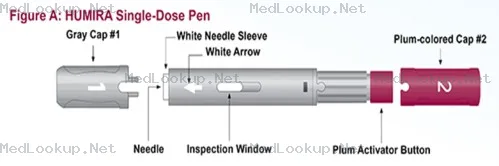
HUMIRA is intended for use under the guidance and supervision of a physician. A patient may self-inject HUMIRA or a caregiver may inject HUMIRA using either the HUMIRA Pen or prefilled syringe if a physician determines that it is appropriate, and with medical follow-up, as necessary, after proper training in subcutaneous injection technique.
HUMIRA can be taken out of the refrigerator for 15 to 30 minutes before injecting to allow the liquid to come to room temperature. Do not remove the cap or cover while allowing it to reach room temperature. Carefully inspect the solution in the HUMIRA Pen or prefilled syringe for particulate matter and discoloration prior to subcutaneous administration. If particulates and discolorations are noted, do not use the product. HUMIRA does not contain preservatives; therefore, discard unused portions of drug remaining from the syringe. NOTE: Instruct patients sensitive to latex not to handle the needle cover of the HUMIRA 40 mg/0.8 mL Pen and 40 mg/0.8 mL prefilled syringe because it may contain natural rubber latex
[see How Supplied/Storage and Handling
(16)].
Instruct patients using the HUMIRA Pen or prefilled syringe to inject the full amount in the syringe, according to the directions provided in the Instructions for Use
[see
Instructions for Use].
Injections should occur at separate sites in the thigh or abdomen. Rotate injection sites and do not give injections into areas where the skin is tender, bruised, red or hard.
If a dose is missed, administer the dose as soon as possible. Thereafter, resume dosing at the regular scheduled time.
The recommended subcutaneous dosage of HUMIRA for adult patients with rheumatoid arthritis (RA), psoriatic arthritis (PsA), or ankylosing spondylitis (AS)
[see Indication and Usage (1.1,
1.3,
1.4)]
is 40 mg administered every other week. Methotrexate (MTX), other non-biologic DMARDS, glucocorticoids, nonsteroidal anti-inflammatory drugs (NSAIDs), and/or analgesics may be continued during treatment with HUMIRA. In the treatment of RA, some patients not taking concomitant MTX may derive additional benefit from increasing the dosage of HUMIRA to 40 mg every week or 80 mg every other week.
The recommended subcutaneous dosage of HUMIRA for pediatric patients 2 years of age and older with polyarticular juvenile idiopathic arthritis (JIA) or pediatric uveitis
[see Indications and Usage (1.2,
1.9)], based on weight, is shown below. MTX, glucocorticoids, NSAIDs, and/or analgesics may be continued during treatment with HUMIRA.
Pediatric Weight
(2 Years of Age and older)
Recommended
Dosage
10 kg (22 lbs) to less than 15 kg (33 lbs)
10 mg every other week
15 kg (33 lbs) to less than 30 kg (66 lbs)
20 mg every other week
30 kg (66 lbs) and greater
40 mg every other week
HUMIRA has not been studied in patients with polyarticular JIA or pediatric uveitis less than 2 years of age or in patients with a weight below 10 kg.
Subcutaneous Adult Dosage Regimen
The recommended subcutaneous dosage of HUMIRA for adult patients with moderately to severely active Crohn’s disease (CD) is 160 mg initially on Day 1 (given in one day or split over two consecutive days), followed by 80 mg two weeks later (Day 15). Two weeks later (Day 29) begin a dosage of 40 mg every other week. Aminosalicylates and/or corticosteroids may be continued during treatment with HUMIRA. Azathioprine, 6-mercaptopurine (6-MP)
[see Warnings and Precautions
(5.2)]
or MTX may be continued during treatment with HUMIRA if necessary.
Subcutaneous Pediatric Dosage Regimen
The recommended subcutaneous dosage of HUMIRA for pediatric patients 6 years of age and older with moderately to severely active Crohn’s disease (CD), based on body weight, is shown below:
Pediatric Weight
Recommended Dosage
Days 1 through 15
Starting
on
Day 29
17 kg (37 lbs) to
less than 40 kg (88 lbs)
Day 1: 80 mg
Day 15: 40 mg
20 mg every other week
40 kg (88 lbs) and greater
Day 1: 160 mg (single dose or split over two consecutive days)
Day 15: 80 mg
40 mg every other week
Subcutaneous Adult Dosage Regimen
The recommended subcutaneous dosage of HUMIRA for adult patients with moderately to severely active ulcerative colitis is 160 mg initially on Day 1 (given in one day or split over two consecutive days), followed by 80 mg two weeks later (Day 15). Two weeks later (Day 29) continue with a dosage of 40 mg every other week.
Discontinue HUMIRA in adult patients without evidence of clinical remission by eight weeks (Day 57) of therapy. Aminosalicylates and/or corticosteroids may be continued during treatment with HUMIRA. Azathioprine and 6-mercaptopurine (6-MP)
[see Warnings and Precautions
(5.2)]
may be continued during treatment with HUMIRA if necessary.
Subcutaneous Pediatric Dosage Regimen
The recommended subcutaneous dosage of HUMIRA for pediatric patients 5 years of age and older with moderately to severely active ulcerative colitis, based on body weight, is shown below:
Pediatric Weight
Recommended Dosage
Days 1 through 15
Starting on Day 29*
20 kg (44 lbs) to
less than 40 kg (88 lbs)
Day 1: 80 mg
Day 8: 40 mg
Day 15: 40 mg
40 mg every other week
or 20 mg every week
40 kg (88 lbs) and greater
Day 1: 160 mg (single dose or split over two consecutive days) Day 8: 80 mg
Day 15: 80 mg
80 mg every other week
or 40 mg every week
*Continue the recommended pediatric dosage in patients who turn 18 years of age and who are well-controlled on their HUMIRA regimen.
The recommended subcutaneous dosage of HUMIRA for adult patients with plaque psoriasis (Ps) or uveitis (UV)
[see Indications and Usage (1.7,
1.9)]
is an initial dose of 80 mg, followed by 40 mg given every other week starting one week after the initial dose. The use of HUMIRA in moderate to severe chronic Ps beyond one year has not been evaluated in controlled clinical studies.
Subcutaneous Adult Dosage Regimen
The recommended subcutaneous dosage of HUMIRA for adult patients with moderate to severe hidradenitis suppurativa (HS) is an initial dose of 160 mg (given in one day or split over two consecutive days), followed by 80 mg two weeks later (Day 15). Begin 40 mg weekly or 80 mg every other week dosing two weeks later (Day 29).
Subcutaneous Pediatric Dosage Regimen
The recommended subcutaneous dosage of HUMIRA for pediatric patients 12 years of age and older weighing at least 30 kg with moderate to severe hidradenitis suppurativa (HS), based on body weight, is shown below
[see Use in Specific Populations
(8.4)
and Clinical Pharmacology
(12.3)]:
Body Weight of Pediatric
Patients
(12 years of age and older)
Recommended Dosage
30 kg (66 lbs) to less than 60 kg (132 lbs)
• Day 1: 80 mg
• Day 8 and subsequent doses: 40 mg every other week
60 kg (132 lbs) and greater
• Day 1: 160 mg (given in one day or split over two consecutive days);
• Day 15: 80 mg
• Day 29 and subsequent doses: 40 mg every week or 80 mg every other week
HUMIRA is a clear and colorless solution available as:
• Pen
(HUMIRA Pen)
Injection: 80 mg/0.8 mL in a single-dose pen.
Injection: 40 mg/0.8 mL in a single-dose pen.
Injection: 40 mg/0.4 mL in a single-dose pen.
• Prefilled Syringe
Injection: 80 mg/0.8 mL in a single-dose prefilled glass syringe.
Injection: 40 mg/0.8 mL in a single-dose prefilled glass syringe.
Injection: 40 mg/0.4 mL in a single-dose prefilled glass syringe.
Injection: 20 mg/0.2 mL in a single-dose prefilled glass syringe.
Injection: 10 mg/0.1 mL in a single-dose prefilled glass syringe.
Drug interactions
• Abatacept:
Increased risk of serious infection. (5.1,
5.11,
7.2)
• Anakinra:
Increased risk of serious infection. (5.1,
5.7,
7.2)
• Live vaccines:
Avoid use with HUMIRA. (5.10,
7.3) 7.1 Methotrexate
HUMIRA has been studied in rheumatoid arthritis (RA) patients taking concomitant methotrexate (MTX). Although MTX reduced the apparent adalimumab clearance, the data do not suggest the need for dose adjustment…
Increased risk of serious infection. (5.1,
5.11,
7.2)
• Anakinra:
Increased risk of serious infection. (5.1,
5.7,
7.2)
• Live vaccines:
Avoid use with HUMIRA. (5.10,
7.3) 7.1 Methotrexate
HUMIRA has been studied in rheumatoid arthritis (RA) patients taking concomitant methotrexate (MTX). Although MTX reduced the apparent adalimumab clearance, the data do not suggest the need for dose adjustment…
• Abatacept:
Increased risk of serious infection. (5.1,
5.11,
7.2)
• Anakinra:
Increased risk of serious infection. (5.1,
5.7,
7.2)
• Live vaccines:
Avoid use with HUMIRA. (5.10,
7.3) 7.1 Methotrexate
HUMIRA has been studied in rheumatoid arthritis (RA) patients taking concomitant methotrexate (MTX). Although MTX reduced the apparent adalimumab clearance, the data do not suggest the need for dose adjustment of either HUMIRA or MTX
[see Clinical Pharmacology
(12.3)]. 7.2 Biological Products
In clinical studies in patients with RA, an increased risk of serious infections has been observed with the combination of TNF blockers with anakinra or abatacept, with no added benefit; therefore, use of HUMIRA with abatacept or anakinra is not recommended in patients with RA
[see Warnings and Precautions (5.7,
5.11)]. A higher rate of serious infections has also been observed in patients with RA treated with rituximab who received subsequent treatment with a TNF blocker. There is insufficient information regarding the concomitant use of HUMIRA and other biologic products for the treatment of RA, PsA, AS, CD, UC, Ps, HS and UV. Concomitant administration of HUMIRA with other biologic DMARDS (e.g., anakinra and abatacept) or other TNF blockers is not recommended based upon the possible increased risk for infections and other potential pharmacological interactions. 7.3 Live Vaccines
Avoid the use of live vaccines with HUMIRA
[see Warnings and Precautions
(5.10)]. 7.4 Cytochrome P450 Substrates
The formation of CYP450 enzymes may be suppressed by increased concentrations of cytokines (e.g., TNFα, IL-6) during chronic inflammation. It is possible for a molecule that antagonizes cytokine activity, such as adalimumab, to influence the formation of CYP450 enzymes. Upon initiation or discontinuation of HUMIRA in patients being treated with CYP450 substrates with a narrow therapeutic index, monitoring of the effect (e.g., warfarin) or drug concentration (e.g., cyclosporine or theophylline) is recommended and the individual dose of the drug product may be adjusted as needed.
Increased risk of serious infection. (5.1,
5.11,
7.2)
• Anakinra:
Increased risk of serious infection. (5.1,
5.7,
7.2)
• Live vaccines:
Avoid use with HUMIRA. (5.10,
7.3) 7.1 Methotrexate
HUMIRA has been studied in rheumatoid arthritis (RA) patients taking concomitant methotrexate (MTX). Although MTX reduced the apparent adalimumab clearance, the data do not suggest the need for dose adjustment of either HUMIRA or MTX
[see Clinical Pharmacology
(12.3)]. 7.2 Biological Products
In clinical studies in patients with RA, an increased risk of serious infections has been observed with the combination of TNF blockers with anakinra or abatacept, with no added benefit; therefore, use of HUMIRA with abatacept or anakinra is not recommended in patients with RA
[see Warnings and Precautions (5.7,
5.11)]. A higher rate of serious infections has also been observed in patients with RA treated with rituximab who received subsequent treatment with a TNF blocker. There is insufficient information regarding the concomitant use of HUMIRA and other biologic products for the treatment of RA, PsA, AS, CD, UC, Ps, HS and UV. Concomitant administration of HUMIRA with other biologic DMARDS (e.g., anakinra and abatacept) or other TNF blockers is not recommended based upon the possible increased risk for infections and other potential pharmacological interactions. 7.3 Live Vaccines
Avoid the use of live vaccines with HUMIRA
[see Warnings and Precautions
(5.10)]. 7.4 Cytochrome P450 Substrates
The formation of CYP450 enzymes may be suppressed by increased concentrations of cytokines (e.g., TNFα, IL-6) during chronic inflammation. It is possible for a molecule that antagonizes cytokine activity, such as adalimumab, to influence the formation of CYP450 enzymes. Upon initiation or discontinuation of HUMIRA in patients being treated with CYP450 substrates with a narrow therapeutic index, monitoring of the effect (e.g., warfarin) or drug concentration (e.g., cyclosporine or theophylline) is recommended and the individual dose of the drug product may be adjusted as needed.
References
Source: DailyMed, U.S. National Library of Medicine. Additional information compiled from online sources.
Important: The information on this page is provided for reference only and is not a substitute for diagnosis, prescribing, or treatment guidance from a doctor or pharmacist.
Noticed an error or something unclear on this page?