
Bentyl: Uses, Dosage and Side Effects Uses, Dosage & Side Effects
1 images
Drug classAnticholinergic
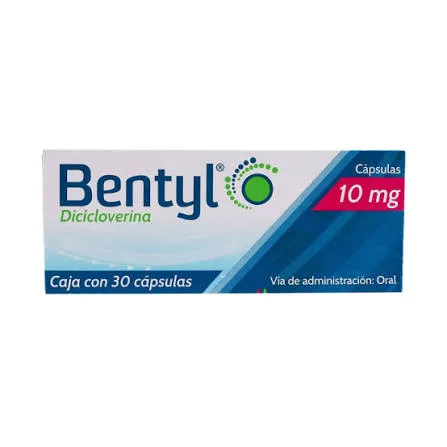
Strength10 mg capsules and 20 mg tablets. Injectable formulations have also been marketed in certain settings. Availability varies by product and country.
Dosage formOral capsules, oral tablets, and intramuscular injection, depending on the product.
Registration numberUS FDA New Drug Application (NDA) No. 012513 for Bentyl; verify the current regulatory status and pr
Uses and indications
Bentyl is indicated for the treatment of functional bowel or irritable bowel syndrome (IBS) symptoms in adults. It helps relieve intestinal spasms and abdominal cramping by relaxing smooth muscle in the gastrointestinal tract.
Contraindications
Bentyl is contraindicated in patients with hypersensitivity to dicyclomine or any formulation component. It is contraindicated in infants younger than six months, breastfeeding women, patients with obstructive uropathy, obstructive gastrointestinal disease, severe ulcerative…
Bentyl is contraindicated in patients with hypersensitivity to dicyclomine or any formulation component. It is contraindicated in infants younger than six months, breastfeeding women, patients with obstructive uropathy, obstructive gastrointestinal disease, severe ulcerative colitis, reflux esophagitis, unstable cardiovascular status in acute hemorrhage, myasthenia gravis, and glaucoma. It should not be used in patients with intestinal atony or ileus.
Side effects
Common adverse reactions include dry mouth, dizziness, blurred vision, nausea, constipation, drowsiness, and weakness. Other effects may include reduced sweating, palpitations, urinary difficulty, and increased heart rate. Serious adverse reactions can include confusion…
Common adverse reactions include dry mouth, dizziness, blurred vision, nausea, constipation, drowsiness, and weakness. Other effects may include reduced sweating, palpitations, urinary difficulty, and increased heart rate. Serious adverse reactions can include confusion, hallucinations, severe allergic reactions, heatstroke due to reduced sweating, and cardiovascular complications. Anticholinergic effects may be more pronounced in older adults.
Precautions
Use caution in patients with glaucoma, prostate enlargement, cardiovascular disease, liver or kidney impairment, hyperthyroidism, or conditions that increase sensitivity to anticholinergic effects. Bentyl may cause drowsiness, blurred vision, and impaired coordination; patients…
Use caution in patients with glaucoma, prostate enlargement, cardiovascular disease, liver or kidney impairment, hyperthyroidism, or conditions that increase sensitivity to anticholinergic effects. Bentyl may cause drowsiness, blurred vision, and impaired coordination; patients should avoid driving or operating machinery until they know how the medication affects them. Reduced sweating can increase the risk of overheating in hot environments. Seek medical attention for severe abdominal pain, bowel obstruction symptoms, difficulty urinating, confusion, or a rapid heartbeat.
Dosage
For adults, the usual oral starting dose is 20 mg four times daily. Depending on response and tolerability, the dose may be increased to 40 mg four times daily under medical supervision. If effectiveness is not achieved within two weeks or adverse effects prevent dose…
For adults, the usual oral starting dose is 20 mg four times daily. Depending on response and tolerability, the dose may be increased to 40 mg four times daily under medical supervision. If effectiveness is not achieved within two weeks or adverse effects prevent dose escalation, treatment should be reassessed. Oral doses should follow the specific product labeling. Injectable dicyclomine is intended for short-term intramuscular use when oral administration is not feasible; it must not be administered intravenously. Dosing should be individualized by a healthcare professional.
Drug interactions
Dicyclomine may increase the anticholinergic effects of antihistamines, tricyclic antidepressants, antipsychotics, and other medicines with anticholinergic properties. Combining it with opioids or other central nervous system depressants may increase drowsiness and impairment…
Dicyclomine may increase the anticholinergic effects of antihistamines, tricyclic antidepressants, antipsychotics, and other medicines with anticholinergic properties. Combining it with opioids or other central nervous system depressants may increase drowsiness and impairment. It may counteract the effects of medications that stimulate gastrointestinal motility. Antacids may interfere with the absorption of oral anticholinergic agents, so administration should be separated according to professional advice. Review all prescription medicines, over-the-counter products, and supplements before use.
References
DailyMed, US National Library of Medicine; US Food and Drug Administration (FDA); official dicyclomine hydrochloride prescribing information.
Important: The information on this page is provided for reference only and is not a substitute for diagnosis, prescribing, or treatment guidance from a doctor or pharmacist.
Noticed an error or something unclear on this page?