
Ativan (Lorazepam) Injection [Hikma Pharmaceuticals Usa Inc.]
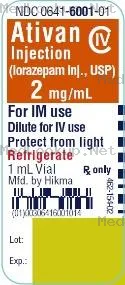
1 images
ATIVAN Injection is used for Status Epilepticus ATIVAN Injection is indicated for the treatment of status epilepticus. Preanesthetic ATIVAN Injection is…
Active ingredients
Strength4.0 mg in 1 mL
Dosage formINJECTION
ManufacturerHikma Pharmaceuticals Usa Inc.
Registration number0641-6000-01
Uses and indications
Status Epilepticus
ATIVAN Injection is indicated for the treatment of status epilepticus. Preanesthetic
ATIVAN Injection is indicated in adult patients for preanesthetic medication, producing sedation (sleepiness or drowsiness), relief of anxiety, and a decreased ability to recall events related to the day of surgery. It is most useful in those patients who are anxious about their surgical procedure and who would…
Status Epilepticus
ATIVAN Injection is indicated for the treatment of status epilepticus. Preanesthetic
ATIVAN Injection is indicated in adult patients for preanesthetic medication, producing sedation (sleepiness or drowsiness), relief of anxiety, and a decreased ability to recall events related to the day of surgery. It is most useful in those patients who are anxious about their surgical procedure and who would prefer to have diminished recall of the events of the day of surgery (see PRECAUTIONS, Information for Patients).
PRIOR TO INTRAVENOUS USE, ATIVAN INJECTION MUST BE DILUTED WITH AN EQUAL AMOUNT OF COMPATIBLE DILUENT (see DOSAGE AND ADMINISTRATION). INTRAVENOUS INJECTION SHOULD BE MADE SLOWLY AND WITH REPEATED ASPIRATION. CARE SHOULD BE TAKEN TO DETERMINE THAT ANY INJECTION WILL NOT BE INTRA-ARTERIAL AND THAT PERIVASCULAR EXTRAVASATION WILL NOT TAKE PLACE. IN THE EVENT THAT A PATIENT COMPLAINS OF PAIN DURING INTENDED INTRAVENOUS INJECTION OF ATIVAN INJECTION, THE INJECTION SHOULD BE STOPPED IMMEDIATELY TO DETERMINE IF INTRA-ARTERIAL INJECTION OR PERIVASCULAR EXTRAVASATION HAS TAKEN PLACE.
Since the liver is the most likely site of conjugation of lorazepam and since excretion of conjugated lorazepam (glucuronide) is a renal function, this drug is not recommended for use in patients with hepatic and/or renal
failure. ATIVAN should be used with caution in patients with mild-to-moderate hepatic or renal disease (see DOSAGE AND ADMINISTRATION).
Neonatal Sedation and Withdrawal Syndrome
Use of ATIVAN Injection late in pregnancy can result in sedation (respiratory depression. lethargy, hypotonia) and/or withdrawal symptoms (hyperreflexia, irritability, restlessness, tremors, inconsolable crying, and feeding difficulties) in the neonate (see PRECAUTIONS, Pregnancy).
Monitor neonates exposed to Ativan Injection during pregnancy or labor for signs of sedation and monitor neonates exposed to Ativan Injection during pregnancy for signs of withdrawal; manage these neonates accordingly.
Contraindications
ATIVAN Injection is contraindicated in patients with a known sensitivity to benzodiazepines or its vehicle (polyethylene glycol, propylene glycol, and benzyl alcohol), in patients with acute narrow-angle glaucoma, or in patients with sleep apnea syndrome. It is also contraindicated in patients with severe respiratory insufficiency, except in those patients requiring relief of anxiety and/or diminished recall of…
ATIVAN Injection is contraindicated in patients with a known sensitivity to benzodiazepines or its vehicle (polyethylene glycol, propylene glycol, and benzyl alcohol), in patients with acute narrow-angle glaucoma, or in patients with sleep apnea syndrome. It is also contraindicated in patients with severe respiratory insufficiency, except in those patients requiring relief of anxiety and/or diminished recall of events while being mechanically ventilated. The use of ATIVAN Injection intra-arterially is contraindicated because, as with other injectable benzodiazepines, inadvertent intra-arterial injection may produce arteriospasm resulting in gangrene which may require amputation (see WARNINGS).
ATIVAN Injection is contraindicated for use in premature infants because the formulation contains benzyl alcohol (see WARNINGS
and PRECAUTIONS, Pediatric Use).
ATIVAN Injection is contraindicated for use in premature infants because the formulation contains benzyl alcohol (see WARNINGS
and PRECAUTIONS, Pediatric Use).
Side effects
Status Epilepticus
The most important adverse clinical event caused by the use of ATIVAN Injection is respiratory depression (see WARNINGS).
The adverse clinical events most commonly observed with the use of ATIVAN Injection in clinical trials evaluating its use in status epilepticus were hypotension, somnolence, and respiratory failure. INCIDENCE IN CONTROLLED CLINICAL TRIALS
All adverse events were recorded…
Status Epilepticus
The most important adverse clinical event caused by the use of ATIVAN Injection is respiratory depression (see WARNINGS).
The adverse clinical events most commonly observed with the use of ATIVAN Injection in clinical trials evaluating its use in status epilepticus were hypotension, somnolence, and respiratory failure. INCIDENCE IN CONTROLLED CLINICAL TRIALS
All adverse events were recorded during the trials by the clinical investigators using terminology of their own choosing. Similar types of events were grouped into standardized categories using modified COSTART dictionary terminology. These categories are used in the table and listings below with the frequencies representing the proportion of individuals exposed to ATIVAN Injection or to comparative therapy.
The prescriber should be aware that these figures cannot be used to predict the frequency of adverse events in the course of usual medical practice where patient characteristics and other factors may differ from those prevailing during clinical studies. Similarly, the cited frequencies cannot be directly compared with figures obtained from other clinical investigators involving different treatment, uses, or investigators. An inspection of these frequencies, however, does provide the prescribing physician with one basis to estimate the relative contribution of drug and nondrug factors to the adverse event incidences in the population studied. COMMONLY OBSERVED ADVERSE EVENTS IN A CONTROLLED DOSE-COMPARISON CLINICAL TRIAL
Table 1 lists the treatment-emergent adverse events that occurred in the patients treated with ATIVAN Injection in a dose-comparison trial of ATIVAN 1 mg, 2 mg, and 4 mg.
TABLE 1. NUMBER (%) OF STUDY EVENTS IN A DOSE COMPARISON CLINICAL TRIAL
Body SystemEvent
ATIVAN Injection(n=130)*
Any Study Event
(1 or more)
†
16 (12.3%)
Body as a whole
Infection
1 ( <1%)
Cardiovascular system
Hypotension
2 (1.5%)
Digestive system
Liver function tests abnormal
1 ( <1%)
Nausea
1 ( <1%)
Vomiting
1 ( <1%)
Metabolic and Nutritional
Acidosis
1 ( <1%)
Nervous system
Brain edema
1 ( <1%)
Coma
1 ( <1%)
Convulsion
1 ( <1%)
Somnolence
2 (1.5%)
Thinking abnormal
1 ( <1%)
Respiratory system
Hyperventilation
1 ( <1%)
Hypoventilation
1 ( <1%)
Respiratory failure
2 (1.5%)
Terms not classifiable
Injection site reaction
1 ( <1%)
Urogenital system
Cystitis
1 ( <1%) COMMONLY OBSERVED ADVERSE EVENTS IN ACTIVE-CONTROLLED CLINICAL TRIALS
In two studies, patients who completed the course of treatment for status epilepticus were permitted to be reenrolled and to receive treatment for a second status episode, given that there was a sufficient interval between the two episodes. Safety was determined from all treatment episodes for all intent-to-treat patients, i.e., from all “patient-episodes.” Table 2 lists the treatment-emergent adverse events that occurred in at least 1% of the patient-episodes in which ATIVAN Injection or diazepam was given. The table represents the pooling of results from the two controlled trials.
TABLE 2. NUMBER (%) OF STUDY EVENTS IN ACTIVE CONTROLLED CLINICAL TRIAL
Body SystemEvent
ATIVAN Injection(n=85)*
Diazepam(n=80)*
Any Study Event
(1 or more)
†
14 (16.5%)
11 (13.8%)
Body as a whole
Headache
1 ( 1.2%)
1 (1.3%)
Cardiovascular system
Hypotension
2 (2.4%)
0
Hemic and lymphatic system
Hypochromic anemia
0
1 (1.3%)
Leukocytosis
0
1 (1.3%)
Thrombocythemia
0
1 (1.3%)
Nervous system
Coma
1 (1.2 %)
1 (1.3%)
Somnolence
3 (3.5%)
3 (3.8%)
Stupor
1 (1.2%)
0
Respiratory system
Hypoventilation
1 (1.2%)
2 (2.5%)
Apnea
1 (1.2%)
1 (1.3%)
Respiratory failure
2 (2.4%)
1 (1.3%)
Respiratory disorder
1 (1.2%)
0
These trials were not designed or intended to demonstrate the comparative safety of the two treatments.
The overall adverse experience profile for ATIVAN was similar between women and men. There are insufficient data to support a statement regarding the distribution of adverse events by race. Generally, age greater than 65 years may be associated with a greater incidence of central-nervous-system depression and more respiratory depression. OTHER EVENTS OBSERVED DURING THE PRE-MARKETING EVALUATION OF ATIVAN INJECTION FOR THE TREATMENT OF STATUS EPILEPTICUS
ATIVAN Injection, active comparators, and ATIVAN Injection in combination with a comparator were administered to 488 individuals during controlled and open-label clinical trials. Because of reenrollments, these 488 patients participated in a total of 521 patient-episodes. ATIVAN Injection alone was given in 69% of these patient-episodes (n=360). The safety information below is based on data available from 326 of these patient-episodes in which ATIVAN Injection was given alone.
All adverse events that were seen once are listed, except those already included in previous listings (Table 1 and Table 2).
Study events were classified by body system in descending frequency by using the following definitions: frequent adverse events were those that occurred in at least 1/100 individuals; infrequent study events were those that occurred in 1/100 to 1/1000 individuals.
Frequent and Infrequent Study Events
BODY AS A WHOLE -
Infrequent: asthenia, chills, headache, infection.
DIGESTIVE SYSTEM
-
Infrequent: abnormal liver function test, increased salivation, nausea, vomiting.
METABOLIC AND NUTRITIONAL
-
Infrequent: acidosis, alkaline phosphatase increased.
NERVOUS SYSTEM
-
Infrequent: agitation, ataxia, brain edema, coma, confusion, convulsion, hallucinations, myoclonus, stupor, thinking abnormal, tremor.
RESPIRATORY SYSTEM
-
Frequent: apnea; Infrequent: hyperventilation, hypoventilation, respiratory disorder.
TERMS NOT CLASSIFIABLE
-
Infrequent: injection site reaction.
UROGENITAL SYSTEM
-
Infrequent: cystitis. Preanesthetic
CENTRAL NERVOUS SYSTEM
The most frequent adverse drug event reported with injectable lorazepam is central-nervous-system depression. The incidence varied from one study to another, depending on the dosage, route of administration, use of other central-nervous-system depressants, and the investigator’s opinion concerning the degree and duration of desired sedation. Excessive sleepiness and drowsiness were the most common consequences of CNS depression. This interfered with patient cooperation in approximately 6% (25/446) of patients undergoing regional anesthesia, causing difficulty in assessing levels of anesthesia. Patients over 50 years of age had a higher incidence of excessive sleepiness or drowsiness when compared with those under 50 (21/106 versus 24/245) when lorazepam was given intravenously (see DOSAGE AND ADMINISTRATION). On rare occasion (3/1580) the patient was unable to give personal identification in the operating room on arrival, and one patient fell when attempting premature ambulation in the postoperative period.
Symptoms such as restlessness, confusion, depression, crying, sobbing, and delirium occurred in about 1.3% (20/1580). One patient injured himself by picking at his incision during the immediate postoperative period.
Hallucinations were present in about 1% (14/1580) of patients and were visual and self-limiting.
An occasional patient complained of dizziness, diplopia and/or blurred vision. Depressed hearing was infrequently reported during the peak-effect period.
An occasional patient had a prolonged recovery room stay, either because of excessive sleepiness or because of some form of inappropriate behavior. The latter was seen most commonly when scopolamine was given concomitantly as a premedicant. Limited information derived from patients who were discharged the day after receiving injectable lorazepam showed one patient complained of some unsteadiness of gait and a reduced ability to perform complex mental functions. Enhanced sensitivity to alcoholic beverages has been reported more than 24 hours after receiving injectable lorazepam, similar to experience with other benzodiazepines. LOCAL EFFECTS
Intramuscular injection of lorazepam has resulted in pain at the injection site, a sensation of burning, or observed redness in the same area in a very variable incidence from one study to another. The overall incidence of pain and burning in patients was about 17% (146/859) in the immediate postinjection period and about 1.4% (12/859) at the 24-hour observation time. Reactions at the injection site (redness) occurred in approximately 2% (17/859) in the immediate postinjection period and were present 24 hours later in about 0.8% (7/859).
Intravenous administration of lorazepam resulted in painful responses in 13/771 patients or approximately 1.6% in the immediate postinjection period, and 24 hours later 4/771 patients or about 0.5% still complained of pain. Redness did not occur immediately following intravenous injection but was noted in 19/771 patients at the 24-hour observation period. This incidence is similar to that observed with an intravenous infusion before lorazepam is given. Intra-arterial injection may produce arteriospasm resulting in gangrene which may require amputation (see CONTRAINDICATIONS). CARDIOVASCULAR SYSTEM
Hypertension (0.1%) and hypotension (0.1%) have occasionally been observed after patients have received injectable lorazepam. RESPIRATORY SYSTEM
Five patients (5/446) who underwent regional anesthesia were observed to have airway obstruction. This was believed due to excessive sleepiness at the time of the procedure and resulted in temporary hypoventilation. In this instance, appropriate airway management may become necessary (see CLINICAL PHARMACOLOGY,
WARNINGS,
and PRECAUTIONS). OTHER ADVERSE EXPERIENCES
Skin rash, nausea and vomiting have occasionally been noted in patients who have received injectable lorazepam combined with other drugs during anesthesia and surgery. Paradoxical Reactions
As with all benzodiazepines, paradoxical reactions such as stimulation, mania, irritability, restlessness, agitation, aggression, psychosis, hostility, rage, or hallucinations may occur in rare instances and in an unpredictable fashion. In these instances, further use of the drug in these patients should be considered with caution (see PRECAUTIONS, General). Postmarketing Reports
Voluntary reports of other adverse events temporally associated with the use of ATIVAN (lorazepam) Injection that have been received since market introduction and that may have no causal relationship with the use of ATIVAN Injection include the following: acute brain syndrome, aggravation of pheochromocytoma, amnesia, apnea/respiratory arrest, arrhythmia, bradycardia, brain edema, coagulation disorder, coma, convulsion, gastrointestinal hemorrhage, heart arrest/failure, heart block, liver damage, lung edema, lung hemorrhage, nervousness, neuroleptic malignant syndrome, paralysis, pericardial effusion, pneumothorax, pulmonary hypertension, tachycardia, thrombocytopenia, urinary incontinence, ventricular arrhythmia.
Fatalities also have been reported, usually in patients on concomitant medications (e.g., respiratory depressants) and/or with other medical conditions (e.g., obstructive sleep apnea).
Table 1 lists the treatment-emergent adverse events that occurred in the patients treated with ATIVAN Injection in a dose-comparison trial of ATIVAN 1 mg, 2 mg, and 4 mg.
TABLE 1. NUMBER (%) OF STUDY EVENTS IN A DOSE COMPARISON CLINICAL TRIAL
Body SystemEvent
ATIVAN Injection(n=130)*
Any Study Event
(1 or more)
†
16 (12.3%)
Body as a whole
Infection
1 ( <1%)
Cardiovascular system
Hypotension
2 (1.5%)
Digestive system
Liver function tests abnormal
1 ( <1%)
Nausea
1 ( <1%)
Vomiting
1 ( <1%)
Metabolic and Nutritional
Acidosis
1 ( <1%)
Nervous system
Brain edema
1 ( <1%)
Coma
1 ( <1%)
Convulsion
1 ( <1%)
Somnolence
2 (1.5%)
Thinking abnormal
1 ( <1%)
Respiratory system
Hyperventilation
1 ( <1%)
Hypoventilation
1 ( <1%)
Respiratory failure
2 (1.5%)
Terms not classifiable
Injection site reaction
1 ( <1%)
Urogenital system
Cystitis
1 ( <1%)
In two studies, patients who completed the course of treatment for status epilepticus were permitted to be reenrolled and to receive treatment for a second status episode, given that there was a sufficient interval between the two episodes. Safety was determined from all treatment episodes for all intent-to-treat patients, i.e., from all “patient-episodes.” Table 2 lists the treatment-emergent adverse events that occurred in at least 1% of the patient-episodes in which ATIVAN Injection or diazepam was given. The table represents the pooling of results from the two controlled trials.
TABLE 2. NUMBER (%) OF STUDY EVENTS IN ACTIVE CONTROLLED CLINICAL TRIAL
Body SystemEvent
ATIVAN Injection(n=85)*
Diazepam(n=80)*
Any Study Event
(1 or more)
†
14 (16.5%)
11 (13.8%)
Body as a whole
Headache
1 ( 1.2%)
1 (1.3%)
Cardiovascular system
Hypotension
2 (2.4%)
0
Hemic and lymphatic system
Hypochromic anemia
0
1 (1.3%)
Leukocytosis
0
1 (1.3%)
Thrombocythemia
0
1 (1.3%)
Nervous system
Coma
1 (1.2 %)
1 (1.3%)
Somnolence
3 (3.5%)
3 (3.8%)
Stupor
1 (1.2%)
0
Respiratory system
Hypoventilation
1 (1.2%)
2 (2.5%)
Apnea
1 (1.2%)
1 (1.3%)
Respiratory failure
2 (2.4%)
1 (1.3%)
Respiratory disorder
1 (1.2%)
0
These trials were not designed or intended to demonstrate the comparative safety of the two treatments.
The overall adverse experience profile for ATIVAN was similar between women and men. There are insufficient data to support a statement regarding the distribution of adverse events by race. Generally, age greater than 65 years may be associated with a greater incidence of central-nervous-system depression and more respiratory depression.
Precautions
Risks from Concomitant Use with Opioids
Concomitant use of benzodiazepines, including ATIVAN Injection, and opioids may result in profound sedation, respiratory depression, coma, and death. If a decision is made to use ATIVAN Injection concomitantly with opioids, monitor patients closely for respiratory depression and sedation (see PRECAUTIONS,
Drug Interactions). Abuse, Misuse, and Addiction
The use of…
Risks from Concomitant Use with Opioids
Concomitant use of benzodiazepines, including ATIVAN Injection, and opioids may result in profound sedation, respiratory depression, coma, and death. If a decision is made to use ATIVAN Injection concomitantly with opioids, monitor patients closely for respiratory depression and sedation (see PRECAUTIONS,
Drug Interactions). Abuse, Misuse, and Addiction
The use of benzodiazepines, including ATIVAN Injection, exposes users to the risks of abuse, misuse, and addiction, which can lead to overdose or death. Abuse and misuse of benzodiazepines often (but not always) involve the use of doses greater than the maximum recommended dosage and commonly involve concomitant use of other medications, alcohol, and/or illicit substances, which is associated with an increased frequency of serious adverse outcomes, including respiratory depression, overdose, or death (see DRUG ABUSE AND DEPENDENCE, Abuse).
Before prescribing ATIVAN Injection and throughout treatment, assess each patient’s risk for abuse, misuse, and addiction. Use of ATIVAN Injection, particularly in patients at elevated risk, necessitates counseling about the risks and proper use of ATIVAN Injection along with monitoring for signs and symptoms of abuse, misuse, and addiction. Do not exceed the recommended dosing frequency; avoid or minimize concomitant use of CNS depressants and other substances associated with abuse, misuse, and addiction (e.g., opioid analgesics, stimulants); and advise patients on the proper disposal of unused drug. If a substance use disorder is suspected, evaluate the patient and institute (or refer them for) early treatment, as appropriate. Dependence and Withdrawal Reactions After Use of ATIVAN Injection More Frequently Than
Recommended
For patients using ATIVAN Injection more frequently than recommended, to reduce the risk of withdrawal reactions, use a gradual taper to discontinue ATIVAN Injection (a patient-specific plan should be used to taper the dose).
Patients at an increased risk of withdrawal adverse reactions after benzodiazepine discontinuation or rapid dosage reduction include those who take higher dosages, and those who have had longer durations of use. ACUTE WITHDRAWAL REACTIONS
The continued use of benzodiazepines may lead to clinically significant physical dependence. Although ATIVAN Injection is indicated only for intermittent use (see INDICATIONS AND USAGE
and DOSAGE AND ADMINISTRATION), if used more frequently than recommended, abrupt discontinuation or rapid dosage reduction of ATIVAN Injection, or administration of flumazenil (a benzodiazepine antagonist) may precipitate acute withdrawal reactions, which can be life-threatening (e.g., seizures) (see DRUG ABUSE AND DEPENDENCE, Dependence). PROTRACTED WITHDRAWAL SYNDROME
In some cases, benzodiazepine users have developed a protracted withdrawal syndrome with withdrawal symptoms lasting weeks to more than 12 months (see DRUG ABUSE AND DEPENDENCE, Dependence). Use in Status Epilepticus
MANAGEMENT OF STATUS EPILEPTICUS
Status epilepticus is a potentially life-threatening condition associated with a high risk of permanent neurological impairment, if inadequately treated. The treatment of status, however, requires far more than the administration of an anticonvulsant agent. It involves observation and management of all parameters critical to maintaining vital function and the capacity to provide support of those functions as required. Ventilatory support must be readily available. The use of benzodiazepines, like ATIVAN Injection, is ordinarily only one step of a complex and sustained intervention which may require additional interventions (e.g., concomitant intravenous administration of phenytoin). Because status epilepticus may result from a correctable acute cause such as hypoglycemia, hyponatremia, or other metabolic or toxic derangement, such an abnormality must be immediately sought and corrected. Furthermore, patients who are susceptible to further seizure episodes should receive adequate maintenance antiepileptic therapy.
Any healthcare professional who intends to treat a patient with status epilepticus should be familiar with this package insert and the pertinent medical literature concerning current concepts for the treatment of status epilepticus. A comprehensive review of the considerations critical to the informed and prudent management of status epilepticus cannot be provided in drug product labeling. The archival medical literature contains many informative references on the management of status epilepticus, among them the report of the working group on status epilepticus of the Epilepsy Foundation of America “Treatment of Convulsive Status Epilepticus” (JAMA 1993; 270: 854-859). As noted in the report just cited, it may be useful to consult with a neurologist if a patient fails to respond (e.g., fails to regain consciousness).
For the treatment of status epilepticus, the usual recommended dose of ATIVAN Injection is 4 mg given slowly (2 mg/min) for patients 18 years and older. If seizures cease, no additional ATIVAN Injection is required. If seizures continue or recur after a 10- to 15-minute observation period, an additional 4 mg intravenous dose may be slowly administered.
Experience with further doses of ATIVAN is very limited.
The usual precautions in treating status epilepticus should be employed. An intravenous infusion should be started, vital signs should be monitored, an unobstructed airway should be maintained, and artificial ventilation equipment should be available. RESPIRATORY DEPRESSION
The most important risk associated with the use of ATIVAN Injection in status epilepticus is respiratory depression. Accordingly, airway patency must be assured and respiration monitored closely. Ventilatory support should be given as required. EXCESSIVE SEDATION
Because of its prolonged duration of action, the prescriber should be alert to the possibility, especially when multiple doses have been given, that the sedative effects of lorazepam may add to the impairment of consciousness seen in the post-ictal state. Preanesthetic Use
AIRWAY OBSTRUCTION MAY OCCUR IN HEAVILY SEDATED PATIENTS. INTRAVENOUS LORAZEPAM AT ANY DOSE, WHEN GIVEN EITHER ALONE OR IN COMBINATION WITH OTHER DRUGS ADMINISTERED DURING ANESTHESIA, MAY PRODUCE HEAVY SEDATION; THEREFORE, EQUIPMENT NECESSARY TO MAINTAIN A PATENT AIRWAY AND TO SUPPORT RESPIRATION/VENTILATION SHOULD BE AVAILABLE.
As is true of similar CNS-acting drugs, the decision as to when patients who have received injectable lorazepam, particularly on an outpatient basis, may again operate machinery, drive a motor vehicle, or engage in hazardous or other activities requiring attention and coordination must be individualized. It is recommended that no patient engage in such activities for a period of 24 to 48 hours or until the effects of the drug, such as drowsiness, have subsided, whichever is longer. Impairment of performance may persist for greater intervals because of extremes of age, concomitant use of other drugs, stress of surgery, or the general condition of the patient.
Clinical trials have shown that patients over the age of 50 years may have a more profound and prolonged sedation with intravenous lorazepam (see DOSAGE AND ADMINISTRATION, Preanesthetic).
As with all central-nervous-system-depressant drugs, care should be exercised in patients given injectable lorazepam as premature ambulation may result in injury from falling.
There is no added beneficial effect from the addition of scopolamine to injectable lorazepam, and their combined effect may result in an increased incidence of sedation, hallucination and irrational behavior. General (All Uses)
PRIOR TO INTRAVENOUS USE, ATIVAN INJECTION MUST BE DILUTED WITH AN EQUAL AMOUNT OF COMPATIBLE DILUENT (see DOSAGE AND ADMINISTRATION). INTRAVENOUS INJECTION SHOULD BE MADE SLOWLY AND WITH REPEATED ASPIRATION. CARE SHOULD BE TAKEN TO DETERMINE THAT ANY INJECTION WILL NOT BE INTRA-ARTERIAL AND THAT PERIVASCULAR EXTRAVASATION WILL NOT TAKE PLACE. IN THE EVENT THAT A PATIENT COMPLAINS OF PAIN DURING INTENDED INTRAVENOUS INJECTION OF ATIVAN INJECTION, THE INJECTION SHOULD BE STOPPED IMMEDIATELY TO DETERMINE IF INTRA-ARTERIAL INJECTION OR PERIVASCULAR EXTRAVASATION HAS TAKEN PLACE.
Since the liver is the most likely site of conjugation of lorazepam and since excretion of conjugated lorazepam (glucuronide) is a renal function, this drug is not recommended for use in patients with hepatic and/or renal
failure. ATIVAN should be used with caution in patients with mild-to-moderate hepatic or renal disease (see DOSAGE AND ADMINISTRATION).
Neonatal Sedation and Withdrawal Syndrome
Use of ATIVAN Injection late in pregnancy can result in sedation (respiratory depression. lethargy, hypotonia) and/or withdrawal symptoms (hyperreflexia, irritability, restlessness, tremors, inconsolable crying, and feeding difficulties) in the neonate (see PRECAUTIONS, Pregnancy).
Monitor neonates exposed to Ativan Injection during pregnancy or labor for signs of sedation and monitor neonates exposed to Ativan Injection during pregnancy for signs of withdrawal; manage these neonates accordingly. Usage in Preterm Infants and Neonates
ATIVAN Injection contains benzyl alcohol. Exposure to excessive amounts of benzyl alcohol has been associated with toxicity (hypotension, metabolic acidosis), particularly in neonates, and an increased incidence of kernicterus, particularly in small preterm infants. There have been rare reports of deaths, primarily in preterm infants, associated with exposure to excessive amounts of benzyl alcohol. The amount of benzyl alcohol from medications is usually considered negligible compared to that received in flush solutions containing benzyl alcohol. Administration of high dosages of medications (including ATIVAN) containing this preservative must take into account the total amount of benzyl alcohol administered. The recommended dosage range of ATIVAN for preterm and term infants includes amounts of benzyl alcohol well below that associated with toxicity; however, the amount of benzyl alcohol at which toxicity may occur is not known. If the patient requires more than the recommended dosages or other medications containing this preservative, the practitioner must consider the daily metabolic load of benzyl alcohol from these combined sources (see WARNINGS
and PRECAUTIONS, Pediatric Use). Pediatric Neurotoxicity
Published animal studies demonstrate that the administration of anesthetic and sedation drugs that block NMDA receptors and/or potentiate GABA activity increase neuronal apoptosis in the developing brain and result in long-term cognitive deficits when used for longer than 3 hours. The clinical significance of these findings is not clear. However, based on the available data, the window of vulnerability to these changes is believed to correlate with exposures in the third trimester of gestation through the first several months of life, but may extend out to approximately three years of age in humans (see PRECAUTIONS, Pregnancy,
Pediatric Use;
ANIMAL TOXICOLOGY AND/OR PHARMACOLOGY).
Some published studies in children suggest that similar deficits may occur after repeated or prolonged exposures to anesthetic agents early in life and may result in adverse cognitive or behavioral effects. These studies have substantial limitations, and it is not clear if the observed effects are due to the anesthetic/sedation drug administration or other factors such as the surgery or underlying illness.
Anesthetic and sedation drugs are a necessary part of the care of children needing surgery, other procedures, or tests that cannot be delayed, and no specific medications have been shown to be safer than any other. Decisions regarding the timing of any elective procedures requiring anesthesia should take into consideration the benefits of the procedure weighed against the potential risks. Endoscopic Procedures
There are insufficient data to support the use of ATIVAN Injection for outpatient endoscopic procedures. Inpatient endoscopic procedures require adequate recovery room observation time.
When ATIVAN Injection is used for peroral endoscopic procedures, adequate topical or regional anesthesia is recommended to minimize reflex activity associated with such procedures.
General
The additive central-nervous-system effects of other drugs, such as phenothiazines, narcotic analgesics, barbiturates, antidepressants, scopolamine, and monoamine-oxidase inhibitors, should be borne in mind when these other drugs are used concomitantly with or during the period of recovery from ATIVAN Injection (see CLINICAL PHARMACOLOGY
and WARNINGS).
Extreme caution must be used when administering ATIVAN Injection to elderly patients, very ill patients, or to patients with limited pulmonary reserve because of the possibility that hypoventilation and/or hypoxic cardiac arrest may occur. Resuscitative equipment for ventilatory support should be readily available (see WARNINGS
and DOSAGE AND ADMINISTRATION).
When lorazepam injection is used IV as the premedicant prior to regional or local anesthesia, the possibility of excessive sleepiness or drowsiness may interfere with patient cooperation in determining levels of anesthesia. This is most likely to occur when greater than 0.05 mg/kg is given and when narcotic analgesics are used concomitantly with the recommended dose (see ADVERSE REACTIONS).
As with all benzodiazepines, paradoxical reactions may occur in rare instances and in an unpredictable fashion (see ADVERSE REACTIONS). In these instances, further use of the drug in these patients should be considered with caution.
There have been reports of possible propylene glycol toxicity (e.g., lactic acidosis, hyperosmolality, hypotension) and possible polyethylene glycol toxicity (e.g., acute tubular necrosis) during administration of ATIVAN Injection at higher than recommended doses. Symptoms may be more likely to develop in patients with renal impairment. Information for Patients
RISKS FROM CONCOMITANT USE WITH OPIOIDS
Concomitant use of benzodiazepines, including ATIVAN Injection, and opioids may result in profound sedation, respiratory depression, coma, and death (see WARNINGS
and PRECAUTIONS, Drug Interactions). ABUSE, MISUSE, AND ADDICTION
Inform patients that the use of ATIVAN Injection more frequently than recommended, even at recommended dosages, exposes users to risks of abuse, misuse, and addiction, which can lead to overdose and death, especially when used in combination with other medications (e.g., opioid analgesics), alcohol, and/or illicit substances. Inform patients about the signs and symptoms of benzodiazepine abuse, misuse, and addiction; to seek medical help if they develop these signs and/or symptoms; and on the proper disposal of unused drug (see WARNINGS
and DRUG ABUSE AND DEPENDENCE). WITHDRAWAL REACTIONS
Inform patients that use of ATIVAN Injection more frequently than recommended may lead to clinically significant physical dependence and that abrupt discontinuation or rapid dosage reduction of ATIVAN Injection may precipitate acute withdrawal reactions, which can be life-threatening. Inform patients that in some cases, patients taking benzodiazepines have developed a protracted withdrawal syndrome with withdrawal symptoms lasting weeks to more than 12 months (see WARNINGS
and DRUG ABUSE AND DEPENDENCE). EXCESSIVE SEDATION
Patients should be informed of the pharmacological effects of the drug, including sedation, relief of anxiety, and lack of recall, the duration of these effects (about 8 hours), and be apprised of the risks as well as the benefits of therapy.
Patients who receive ATIVAN Injection as a premedicant should be cautioned that driving a motor vehicle, operating machinery, or engaging in hazardous or other activities requiring attention and coordination, should be delayed for 24 to 48 hours following the injection or until the effects of the drug, such as drowsiness, have subsided, whichever is longer. Sedatives, tranquilizers and narcotic analgesics may produce a more prolonged and profound effect when administered along with injectable ATIVAN. This effect may take the form of excessive sleepiness or drowsiness and, on rare occasions, interfere with recall and recognition of events of the day of surgery and the day after.
Patients should be advised that getting out of bed unassisted may result in falling and injury if undertaken within 8 hours of receiving lorazepam injection. Since tolerance for CNS depressants will be diminished in the presence of ATIVAN Injection, these substances should either be avoided or taken in reduced dosage. Alcoholic beverages should not be consumed for at least 24 to 48 hours after receiving lorazepam injectable due to the additive effects on central-nervous-system depression seen with benzodiazepines in general. Elderly patients should be told that ATIVAN Injection may make them very sleepy for a period longer than 6 to 8 hours following surgery. EFFECT of ANESTHETIC AND SEDATION DRUGS ON EARLY BRAIN DEVELOPMENT
Studies conducted in young animals and children suggest repeated or prolonged use of general anesthetic or sedation drugs in children younger than 3 years may have negative effects on their developing brains. Discuss with parents and caregivers the benefits, risks, and timing and duration of surgery or procedures requiring anesthetic and sedation drugs (see WARNINGS,
Pediatric Neurotoxicity). PREGNANCY
Advise pregnant females who are administered ATIVAN Injection late in pregnancy that ATIVAN Injection can result in sedation (respiratory depression, lethargy, hypotonia) and/or withdrawal symptoms (hyperreflexia, irritability, restlessness, tremors, inconsolable crying, and feeding difficulties) in newborns (see WARNINGS, Neonatal Sedation and Withdrawal Syndrome and PRECAUTIONS, Pregnancy). Instruct patients to inform their healthcare provider if they are pregnant.
Advise patients that there is a pregnancy exposure registry that monitors pregnancy outcomes in women exposed to Ativan Injection during pregnancy (see PRECAUTIONS, Pregnancy). NURSING
Instruct patients to notify their healthcare provider if they are breastfeeding or intend to breastfeed. Instruct breastfeeding patients who are administered ATIVAN Injection to monitor infants for excessive sedation, poor feeding and poor weight gain, and to seek medical attention if they notice these signs (see PRECAUTIONS, Nursing Mothers). Laboratory Tests
In clinical trials, no laboratory test abnormalities were identified with either single or multiple doses of ATIVAN Injection. These tests included: CBC, urinalysis, SGOT, SGPT, bilirubin, alkaline phosphatase, LDH, cholesterol, uric acid, BUN, glucose, calcium, phosphorus, and total proteins. Drug Interactions
INTERACTION WITH BENZODIAZEPINES AND OTHER CNS DEPRESSANTS
The concomitant use of benzodiazepines and opioids increases the risk of respiratory depression because of actions at different receptor sites in the CNS that control respiration. Benzodiazepines interact at GABAA sites and opioids interact primarily at mu receptors. When benzodiazepines and opioids are combined, the potential for benzodiazepines to significantly worsen opioid-related respiratory depression exists. Monitor patients closely for respiratory depression and sedation.
ATIVAN Injection, like other injectable benzodiazepines, produces additive depression of the central nervous system when administered with other CNS depressants such as ethyl alcohol, phenothiazines, barbiturates, MAO inhibitors, and other antidepressants.
When scopolamine is used concomitantly with injectable lorazepam, an increased incidence of sedation, hallucinations and irrational behavior has been observed.
There have been rare reports of significant respiratory depression, stupor and/or hypotension with the concomitant use of loxapine and lorazepam.
Marked sedation, excessive salivation, ataxia, and, rarely, death have been reported with the concomitant use of clozapine and lorazepam.
Apnea, coma, bradycardia, arrhythmia, heart arrest, and death have been reported with the concomitant use of haloperidol and lorazepam.
The risk of using lorazepam in combination with scopolamine, loxapine, clozapine, haloperidol, or other CNS-depressant drugs has not been systematically evaluated. Therefore, caution is advised if the concomitant administration of lorazepam and these drugs is required.
Concurrent administration of any of the following drugs with lorazepam had no effect on the pharmacokinetics of lorazepam: metoprolol, cimetidine, ranitidine, disulfiram, propranolol, metronidazole, and propoxyphene. No change in ATIVAN dosage is necessary when concomitantly given with any of these drugs. LORAZEPAM-VALPROATE INTERACTION
Concurrent administration of lorazepam (2 mg intravenously) with valproate (250 mg twice daily orally for 3 days) to 6 healthy male subjects resulted in decreased total clearance of lorazepam by 40% and decreased formation rate of lorazepam glucuronide by 55%, as compared with lorazepam administered alone. Accordingly, lorazepam plasma concentrations were about two-fold higher for at least 12 hours post-dose administration during valproate treatment. Lorazepam dosage should be reduced to 50% of the normal adult dose when this drug combination is prescribed in patients (see DOSAGE AND ADMINISTRATION). LORAZEPAM-ORAL CONTRACEPTIVE STEROIDS INTERACTION
Coadministration of lorazepam (2 mg intravenously) with oral contraceptive steroids (norethindrone acetate, 1 mg, and ethinyl estradiol, 50 μg, for at least 6 months) to healthy females (n=7) was associated with a 55% decrease in half-life, a 50% increase in the volume of distribution, thereby resulting in an almost 3.7-fold increase in total clearance of lorazepam as compared with control healthy females (n=8). It may be necessary to increase the dose of ATIVAN in female patients who are concomitantly taking oral contraceptives (see DOSAGE AND ADMINISTRATION). LORAZEPAM-PROBENECID INTERACTION
Concurrent administration of lorazepam (2 mg intravenously) with probenecid (500 mg orally every 6 hours) to 9 healthy volunteers resulted in a prolongation of lorazepam half-life by 130% and a decrease in its total clearance by 45%. No change in volume of distribution was noted during probenecid co-treatment. ATIVAN dosage needs to be reduced by 50% when coadministered with probenecid (see DOSAGE AND ADMINISTRATION). Drug/Laboratory Test Interactions
No laboratory test abnormalities were identified when lorazepam was given alone or concomitantly with another drug, such as narcotic analgesics, inhalation anesthetics, scopolamine, atropine, and a variety of tranquilizing agents. Carcinogenesis, Mutagenesis, Impairment of Fertility
No evidence of carcinogenic potential emerged in rats and mice during an 18-month study with oral lorazepam. No studies regarding mutagenesis have been performed. The results of a preimplantation study in rats, in which the oral lorazepam dose was 20 mg/kg, showed no impairment of fertility. Pregnancy
There is a pregnancy registry that monitors pregnancy outcomes in woman exposed to psychiatric medications including ATIVAN Injection during pregnancy. Healthcare providers are encouraged to register patients by calling the National Pregnancy Registry for Psychiatric Medication’s at 1-866-961-2388 or visiting online at https: //womensmentalhealth.org/pregnancyregistry/.
Risk Summary
Neonates born to mothers using benzodiazepines late in pregnancy have been reported to experience symptoms of sedation and/or neonatal withdrawal (see WARNINGS, Neonatal Sedation and Withdrawal Syndrome
and PRECAUTIONS,
Clinical Considerations). Available data from published observational studies of pregnant women exposed to benzodiazepines do not report a clear association with benzodiazepines and major birth defects (see Data).
The background risk of major birth defects and miscarriage for the indicated population is unknown. All pregnancies have a background risk of birth defect, loss or other adverse outcomes. In the U.S. general population, the estimated risk of major birth defects and of miscarriage in clinically recognizable pregnancies is 2% to 4% and 15% to 20%, respectively.
Clinical Considerations
Fetal/Neonatal Adverse Reactions
Benzodiazepines cross the placenta and may produce respiratory depression, hypotonia and sedation in neonates. Monitor neonates exposed to Ativan Injection during pregnancy or labor for signs of sedation, respiratory depression, hypotonia, and feeding problems. Monitor neonates exposed to Ativan Injection during pregnancy for signs of withdrawal. Manage these neonates accordingly (see WARNINGS, Neonatal Sedation and Withdrawal Syndrome).
Labor or Delivery
There are insufficient data regarding obstetrical safety of parenteral lorazepam, including use in cesarean section. Such use, therefore, is not recommended.
Data
Human Data
Published data from observational studies on the use of benzodiazepines during pregnancy do not report a clear association with benzodiazepines and major birth defects. Although early studies reported an increased risk of congenital malformations with diazepam and chlordiazepoxide, there was no consistent pattern noted. In addition. the majority of more recent case-control and cohort studies of benzodiazepine use during pregnancy, which were adjusted for confounding exposures to alcohol. tobacco and other medications, have not confirmed these findings.
Animal Data
Reproductive studies in animals were performed in mice, rats, and two strains of rabbits. Occasional anomalies (reduction of tarsals, tibia, metatarsals, malrotated limbs, gastroschisis, malformed skull, and microphthalmia) were seen in drug-treated rabbits without relationship to dosage. Although all of these anomalies were not present in the concurrent control group; they have been reported to occur randomly in historical controls. At doses of 40 mg/kg orally or 4 mg/kg intravenously and higher, there was evidence of fetal resorption and increased fetal loss in rabbits which was not seen al lower doses. Nursing
Risk Summary
Lorazepam is present in breast milk. There are reports of sedation. poor feeding and poor weight gain in
infants exposed to benzodiazepines through breast milk. The effects of lorazepam on milk production are
unknown. The developmental and health benefits of breastfeeding should be considered along with the
mother's clinical need for ATIVAN Injection and any potential adverse effects on the breastfed infant from
ATIVAN Injection or from the underlying maternal condition.
Clinical Considerations
Infants exposed to ATIVAN injection through breast milk should be monitored for sedation, poor feeding
and poor weight gain.
Published studies in pregnant primates demonstrate that the administration of anesthetic and sedation drugs that block NMDA receptors and/or potentiate GABA activity during the period of peak brain development increases neuronal apoptosis in the developing brain of the offspring when used for longer than 3 hours. There are no data on pregnancy exposures in primates corresponding to periods prior to the third trimester in humans.
In a published study in primates, administration of an anesthetic dose of ketamine for 24 hours on Gestation Day 122 increased neuronal apoptosis in the developing brain of the fetus. In other published studies, administration of either isoflurane or propofol for 5 hours on Gestation Day 120 resulted in increased neuronal and oligodendrocyte apoptosis in the developing brain of the offspring. With respect to brain development, this time period corresponds to the third trimester of gestation in the human. The clinical significance of these findings is not clear; however, studies in juvenile animals suggest neuroapoptosis correlates with long-term cognitive deficits (see WARNINGS,
Pediatric Neurotoxicity,
Pediatric Use, and ANIMAL TOXICOLOGY AND/OR PHARMACOLOGY). Pediatric Use
STATUS EPILEPTICUS
The safety and effectiveness of ATIVAN for status epilepticus have not been established in pediatric patients. A randomized, double-blind, superiority-design clinical trial of ATIVAN versus intravenous diazepam in 273 pediatric patients ages 3 months to 17 years failed to establish the efficacy of ATIVAN for the treatment of status epilepticus. In that trial, assisted ventilation was required in 18% of patients treated with ATIVAN versus 16% of patients treated with diazepam. Patients treated with ATIVAN were also more likely to be reported as sedated (67% for ATIVAN vs. 50% for diazepam), and the time for return to baseline mental status was, on average, 2 hours longer for ATIVAN than for diazepam.
Open-label studies described in the medical literature included 273 pediatric patients; the age range was from a few hours old to 18 years of age. Paradoxical excitation was observed in 10% to 30% of the pediatric patients under 8 years of age and was characterized by tremors, agitation, euphoria, logorrhea, and brief episodes of visual hallucinations. Paradoxical excitation in pediatric patients also has been reported with other benzodiazepines when used for status epilepticus, as an anesthesia, or for pre-chemotherapy treatment.
Pediatric patients (as well as adults) with atypical petit mal status epilepticus have developed brief tonic-clonic seizures shortly after ATIVAN was given. This “paradoxical” effect was also reported for diazepam and clonazepam. Nevertheless, the development of seizures after treatment with benzodiazepines is probably rare, based on the incidence in the uncontrolled treatment series reported (i.e., seizures were not observed for 112 pediatric patients and 18 adults or during approximately 400 doses).
ATIVAN Injection contains benzyl alcohol as a preservative. Benzyl alcohol, a component of this product, has been associated with serious adverse events and death, particularly in pediatric patients. The “gasping syndrome”, (characterized by central nervous system depression, metabolic acidosis, gasping respirations, and high levels of benzyl alcohol and its metabolites found in the blood and urine) has been associated with benzyl alcohol dosages greater than 99 mg/kg/day in neonates and low-birth-weight neonates. Additional symptoms may include gradual neurological deterioration, seizures, intracranial hemorrhage, hematologic abnormalities, skin breakdown, hepatic and renal failure, hypotension, bradycardia, and cardiovascular collapse. Although normal therapeutic doses of this product deliver amounts of benzyl alcohol that are substantially lower than those reported in association with the “gasping syndrome”, the minimum amount of benzyl alcohol at which toxicity may occur is not known. Premature and low-birth-weight infants, as well as patients receiving high dosages, may be more likely to develop toxicity. Practitioners administering this and other medications containing benzyl alcohol should consider the combined daily metabolic load of benzyl alcohol from all sources. PREANESTHETIC
There are insufficient data to support the efficacy of injectable lorazepam as a preanesthetic agent in patients less than 18 years of age. GENERAL
Seizure activity and myoclonus have been reported to occur following administration of ATIVAN Injection, especially in very low birth weight neonates.
Pediatric patients may exhibit a sensitivity to benzyl alcohol, polyethylene glycol and propylene glycol, components of ATIVAN Injection (see CONTRAINDICATIONS). The “gasping syndrome”, characterized by central nervous system depression, metabolic acidosis, gasping respirations, and high levels of benzyl alcohol and its metabolites found in the blood and urine, has been associated with the administration of intravenous solutions containing the preservative benzyl alcohol in neonates. Additional symptoms may include gradual neurological deterioration, seizures, intracranial hemorrhage, hematologic abnormalities, skin breakdown, hepatic and renal failure, hypotension, bradycardia, and cardiovascular collapse. Central nervous system toxicity, including seizures and intraventricular hemorrhage, as well as unresponsiveness, tachypnea, tachycardia, and diaphoresis have been associated with propylene glycol toxicity. Although normal therapeutic doses of ATIVAN Injection contain very small amounts of these compounds, premature and low-birth-weight infants as well as pediatric patients receiving high doses may be more susceptible to their effects.
Published juvenile animal studies demonstrate that the administration of anesthetic and sedation drugs, such as ATIVAN that either block NMDA receptors or potentiate the activity of GABA during the period of rapid brain growth or synaptogenesis, results in widespread neuronal and oligodendrocyte cell loss in the developing brain and alterations in synaptic morphology and neurogenesis. Based on comparisons across species, the window of vulnerability to these changes is believed to correlate with exposures in the third trimester of gestation through the first several months of life, but may extend out to approximately 3 years of age in humans.
In primates, exposure to 3 hours of ketamine that produced a light surgical plane of anesthesia did not increase neuronal cell loss, however, treatment regimens of 5 hours or longer of isoflurane increased neuronal cell loss. Data from isoflurane-treated rodents and ketamine-treated primates suggest that the neuronal and oligodendrocyte cell losses are associated with prolonged cognitive deficits in learning and memory. The clinical significance of these nonclinical findings is not known, and healthcare providers should balance the benefits of appropriate anesthesia in pregnant women, neonates and young children who require procedures with the potential risks suggested by the nonclinical data. (see WARNINGS, Pediatric Neurotoxicity;
PRECAUTIONS, Pregnancy;
ANIMAL TOXICOLOGY AND/OR PHARMACOLOGY). Geriatric Use
Clinical studies of ATIVAN generally were not adequate to determine whether subjects aged 65 and over respond differently than younger subjects; however, age over 65 may be associated with a greater incidence of central nervous system depression and more respiratory depression (see WARNINGS, Preanesthetic Use,
PRECAUTIONS, General
and ADVERSE REACTIONS, Preanesthetic).
Age does not appear to have a clinically significant effect on lorazepam kinetics (see CLINICAL PHARMACOLOGY).
Clinical circumstances, some of which may be more common in the elderly, such as hepatic or renal impairment, should be considered. Greater sensitivity (e.g., sedation) of some older individuals cannot be ruled out. In general, dose selection for an elderly patient should be cautious, usually starting at the low end of the dosing range (see DOSAGE AND ADMINISTRATION).
Dosage
NOTE: CONTAINS BENZYL ALCOHOL (see WARNINGS
and PRECAUTIONS, Pediatric Use).
ATIVAN must never be used without individualization of dosage particularly when used with other medications capable of producing central-nervous-system depression.
EQUIPMENT NECESSARY TO MAINTAIN A PATENT AIRWAY SHOULD BE IMMEDIATELY AVAILABLE PRIOR TO INTRAVENOUS ADMINISTRATION OF LORAZEPAM (see WARNINGS).
Drug interactions
INTERACTION WITH BENZODIAZEPINES AND OTHER CNS DEPRESSANTS
The concomitant use of benzodiazepines and opioids increases the risk of respiratory depression because of actions at different receptor sites in the CNS that control respiration. Benzodiazepines interact at GABAA sites and opioids interact primarily at mu receptors. When benzodiazepines and opioids are combined, the potential for benzodiazepines to…
The concomitant use of benzodiazepines and opioids increases the risk of respiratory depression because of actions at different receptor sites in the CNS that control respiration. Benzodiazepines interact at GABAA sites and opioids interact primarily at mu receptors. When benzodiazepines and opioids are combined, the potential for benzodiazepines to…
INTERACTION WITH BENZODIAZEPINES AND OTHER CNS DEPRESSANTS
The concomitant use of benzodiazepines and opioids increases the risk of respiratory depression because of actions at different receptor sites in the CNS that control respiration. Benzodiazepines interact at GABAA sites and opioids interact primarily at mu receptors. When benzodiazepines and opioids are combined, the potential for benzodiazepines to significantly worsen opioid-related respiratory depression exists. Monitor patients closely for respiratory depression and sedation.
ATIVAN Injection, like other injectable benzodiazepines, produces additive depression of the central nervous system when administered with other CNS depressants such as ethyl alcohol, phenothiazines, barbiturates, MAO inhibitors, and other antidepressants.
When scopolamine is used concomitantly with injectable lorazepam, an increased incidence of sedation, hallucinations and irrational behavior has been observed.
There have been rare reports of significant respiratory depression, stupor and/or hypotension with the concomitant use of loxapine and lorazepam.
Marked sedation, excessive salivation, ataxia, and, rarely, death have been reported with the concomitant use of clozapine and lorazepam.
Apnea, coma, bradycardia, arrhythmia, heart arrest, and death have been reported with the concomitant use of haloperidol and lorazepam.
The risk of using lorazepam in combination with scopolamine, loxapine, clozapine, haloperidol, or other CNS-depressant drugs has not been systematically evaluated. Therefore, caution is advised if the concomitant administration of lorazepam and these drugs is required.
Concurrent administration of any of the following drugs with lorazepam had no effect on the pharmacokinetics of lorazepam: metoprolol, cimetidine, ranitidine, disulfiram, propranolol, metronidazole, and propoxyphene. No change in ATIVAN dosage is necessary when concomitantly given with any of these drugs. LORAZEPAM-VALPROATE INTERACTION
Concurrent administration of lorazepam (2 mg intravenously) with valproate (250 mg twice daily orally for 3 days) to 6 healthy male subjects resulted in decreased total clearance of lorazepam by 40% and decreased formation rate of lorazepam glucuronide by 55%, as compared with lorazepam administered alone. Accordingly, lorazepam plasma concentrations were about two-fold higher for at least 12 hours post-dose administration during valproate treatment. Lorazepam dosage should be reduced to 50% of the normal adult dose when this drug combination is prescribed in patients (see DOSAGE AND ADMINISTRATION). LORAZEPAM-ORAL CONTRACEPTIVE STEROIDS INTERACTION
Coadministration of lorazepam (2 mg intravenously) with oral contraceptive steroids (norethindrone acetate, 1 mg, and ethinyl estradiol, 50 μg, for at least 6 months) to healthy females (n=7) was associated with a 55% decrease in half-life, a 50% increase in the volume of distribution, thereby resulting in an almost 3.7-fold increase in total clearance of lorazepam as compared with control healthy females (n=8). It may be necessary to increase the dose of ATIVAN in female patients who are concomitantly taking oral contraceptives (see DOSAGE AND ADMINISTRATION). LORAZEPAM-PROBENECID INTERACTION
Concurrent administration of lorazepam (2 mg intravenously) with probenecid (500 mg orally every 6 hours) to 9 healthy volunteers resulted in a prolongation of lorazepam half-life by 130% and a decrease in its total clearance by 45%. No change in volume of distribution was noted during probenecid co-treatment. ATIVAN dosage needs to be reduced by 50% when coadministered with probenecid (see DOSAGE AND ADMINISTRATION).
No laboratory test abnormalities were identified when lorazepam was given alone or concomitantly with another drug, such as narcotic analgesics, inhalation anesthetics, scopolamine, atropine, and a variety of tranquilizing agents.
The dose of ATIVAN should be reduced by 50% when coadministered with probenecid or valproate (see PRECAUTIONS, Drug Interactions).
It may be necessary to increase the dose of ATIVAN in female patients who are concomitantly taking oral contraceptives.
References
Source: DailyMed, U.S. National Library of Medicine. Additional information compiled from online sources.
Important: The information on this page is provided for reference only and is not a substitute for diagnosis, prescribing, or treatment guidance from a doctor or pharmacist.
Noticed an error or something unclear on this page?