
Ampicillin: Uses, Dosage and Side Effects
2 images
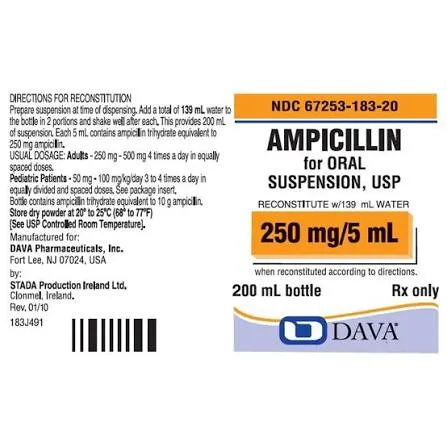
Strength250 mg and 500 mg capsules. Oral suspension formulations may be available in specific products and markets.
Dosage formOral capsules and powder for oral suspension, depending on product availability.
Registration numberVaries by manufacturer and product. US FDA-approved products have individual application or product
Uses and indications
Ampicillin is an oral penicillin-class antibiotic used to treat bacterial infections caused by susceptible organisms. Depending on bacterial susceptibility, it may be prescribed for certain respiratory tract infections, urinary tract infections, gastrointestinal infections, and other infections caused by susceptible bacteria, including selected strains of Enterococcus and Escherichia coli. Ampicillin works by…
Ampicillin is an oral penicillin-class antibiotic used to treat bacterial infections caused by susceptible organisms. Depending on bacterial susceptibility, it may be prescribed for certain respiratory tract infections, urinary tract infections, gastrointestinal infections, and other infections caused by susceptible bacteria, including selected strains of Enterococcus and Escherichia coli. Ampicillin works by inhibiting bacterial cell wall synthesis. It is not effective against viral infections such as the common cold or influenza.
Contraindications
Ampicillin is contraindicated in patients with a history of serious hypersensitivity reactions to ampicillin, penicillins, or other beta-lactam antibiotics. Patients with previous anaphylaxis or severe immediate allergic reactions to beta-lactams require careful clinical assessment.
Side effects
Common adverse reactions include diarrhea, nausea, vomiting, abdominal discomfort, and skin rash. Other possible effects include candidiasis and inflammation of the tongue or mouth. Serious adverse reactions may include anaphylaxis, severe cutaneous reactions, antibiotic-associated colitis caused by Clostridioides difficile, blood cell abnormalities, liver enzyme elevations, and seizures, particularly in patients…
Common adverse reactions include diarrhea, nausea, vomiting, abdominal discomfort, and skin rash. Other possible effects include candidiasis and inflammation of the tongue or mouth. Serious adverse reactions may include anaphylaxis, severe cutaneous reactions, antibiotic-associated colitis caused by Clostridioides difficile, blood cell abnormalities, liver enzyme elevations, and seizures, particularly in patients with impaired renal function or excessive exposure.
Precautions
Assess allergy history before treatment. Use caution in patients with kidney impairment or a history of gastrointestinal disease. Patients with infectious mononucleosis have an increased risk of developing an ampicillin-associated rash. Adjust dosage when necessary for renal impairment. Seek medical attention for severe allergic reactions, persistent or bloody diarrhea, or a widespread rash. Obtain bacterial…
Assess allergy history before treatment. Use caution in patients with kidney impairment or a history of gastrointestinal disease. Patients with infectious mononucleosis have an increased risk of developing an ampicillin-associated rash. Adjust dosage when necessary for renal impairment. Seek medical attention for severe allergic reactions, persistent or bloody diarrhea, or a widespread rash. Obtain bacterial cultures and susceptibility testing when indicated. Unnecessary antibiotic use may promote antimicrobial resistance.
Dosage
For adults with susceptible infections, commonly used oral regimens include 250–500 mg every six hours, depending on the infection and its severity. The appropriate dose and duration must be determined by a healthcare professional. Pediatric doses depend on body weight, age, infection type, and renal function. Oral ampicillin should generally be taken with water on an empty stomach, approximately 30 minutes before…
For adults with susceptible infections, commonly used oral regimens include 250–500 mg every six hours, depending on the infection and its severity. The appropriate dose and duration must be determined by a healthcare professional. Pediatric doses depend on body weight, age, infection type, and renal function. Oral ampicillin should generally be taken with water on an empty stomach, approximately 30 minutes before or two hours after meals, because food may reduce absorption. Complete the prescribed course unless the treating clinician advises otherwise. Dosage adjustments may be necessary in renal impairment.
Drug interactions
Probenecid may increase ampicillin concentrations by reducing renal excretion. Allopurinol may increase the risk of skin rash. Ampicillin may alter the anticoagulant response to warfarin, requiring closer monitoring. It may reduce methotrexate clearance and increase the risk of toxicity. Concomitant use with other antibiotics should be assessed according to the infection and treatment plan. Patients should inform…
Probenecid may increase ampicillin concentrations by reducing renal excretion. Allopurinol may increase the risk of skin rash. Ampicillin may alter the anticoagulant response to warfarin, requiring closer monitoring. It may reduce methotrexate clearance and increase the risk of toxicity. Concomitant use with other antibiotics should be assessed according to the infection and treatment plan. Patients should inform their healthcare provider about all prescription medicines, over-the-counter products, and supplements.
References
DailyMed, US National Library of Medicine; US Food and Drug Administration (FDA); official US ampicillin prescribing information; Merck Manual Professional Edition.
Important: The information on this page is provided for reference only and is not a substitute for diagnosis, prescribing, or treatment guidance from a doctor or pharmacist.
Noticed an error or something unclear on this page?