
Amoxil: Uses, Dosage and Side Effects
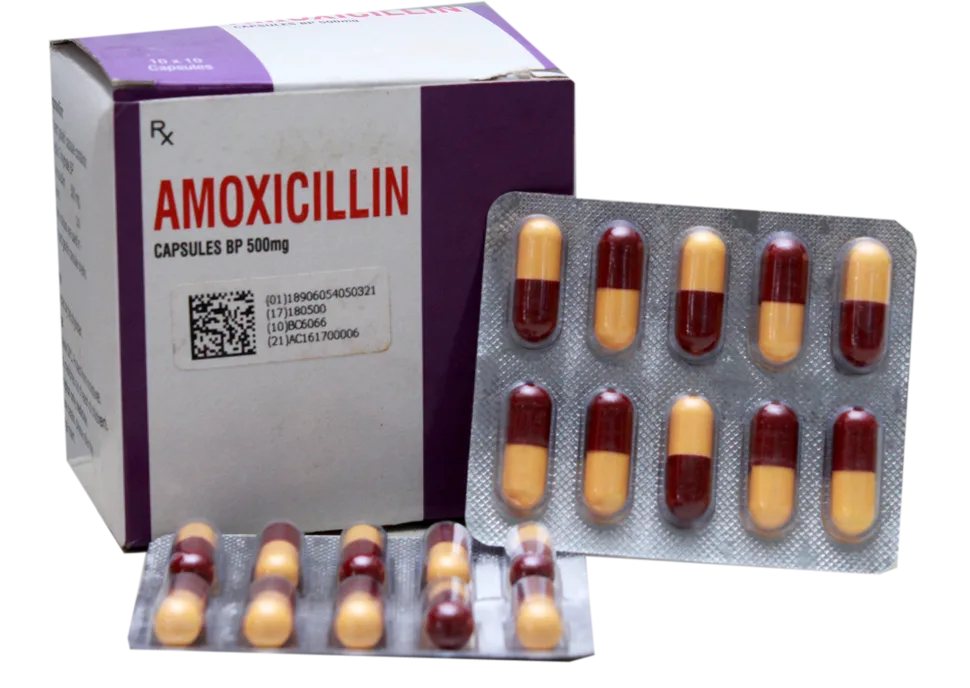
1 images
Active ingredients
Drug class
Strength500 mg and 875 mg capsules or tablets, depending on the product and market. Oral suspension is available in strengths such as 125 mg/5 mL and 250 mg/5 mL. Other formulations and strengths may be available in specific countries.
Dosage formCapsules, tablets, chewable tablets, and powder for oral suspension.
ManufacturerGlaxoSmithKline (GSK) originally marketed Amoxil. Current availability and manufacturers vary by country and product.
Registration numberVaries by formulation, manufacturer, and country. The original US FDA application for Amoxil is NDA
Uses and indications
Amoxil is an antibiotic used to treat bacterial infections caused by susceptible organisms, including ear, nose, and throat infections, tonsillitis, pharyngitis, lower respiratory tract infections, urinary tract infections, and certain skin and soft tissue infections. It may also be used in combination regimens to eradicate Helicobacter pylori in patients with duodenal ulcer disease and in the prevention or…
Amoxil is an antibiotic used to treat bacterial infections caused by susceptible organisms, including ear, nose, and throat infections, tonsillitis, pharyngitis, lower respiratory tract infections, urinary tract infections, and certain skin and soft tissue infections. It may also be used in combination regimens to eradicate Helicobacter pylori in patients with duodenal ulcer disease and in the prevention or treatment of selected infections when clinically indicated. Amoxicillin works by inhibiting bacterial cell wall synthesis. It is not effective against viral infections such as the common cold or influenza.
Contraindications
Amoxil is contraindicated in patients with a known serious hypersensitivity to amoxicillin or other penicillin antibiotics. It should not be used in patients who have experienced severe immediate hypersensitivity reactions, such as anaphylaxis, to other beta-lactam antibiotics unless specifically assessed by a qualified healthcare professional.
Side effects
Common adverse reactions include diarrhea, nausea, vomiting, abdominal discomfort, and skin rash. Other possible effects include candidiasis and headache. Serious adverse reactions may include anaphylaxis, severe skin reactions, antibiotic-associated colitis caused by Clostridioides difficile, liver injury, blood cell abnormalities, and seizures, particularly in patients with impaired renal function or receiving…
Common adverse reactions include diarrhea, nausea, vomiting, abdominal discomfort, and skin rash. Other possible effects include candidiasis and headache. Serious adverse reactions may include anaphylaxis, severe skin reactions, antibiotic-associated colitis caused by Clostridioides difficile, liver injury, blood cell abnormalities, and seizures, particularly in patients with impaired renal function or receiving excessive doses.
Precautions
Assess the patient's allergy history before prescribing. Adjust dosage in patients with renal impairment. Monitor for severe allergic reactions, persistent or bloody diarrhea, and unusual skin eruptions. Prolonged treatment may cause fungal or bacterial superinfection and contribute to antimicrobial resistance. Patients with infectious mononucleosis may have an increased risk of developing an amoxicillin-associated…
Assess the patient's allergy history before prescribing. Adjust dosage in patients with renal impairment. Monitor for severe allergic reactions, persistent or bloody diarrhea, and unusual skin eruptions. Prolonged treatment may cause fungal or bacterial superinfection and contribute to antimicrobial resistance. Patients with infectious mononucleosis may have an increased risk of developing an amoxicillin-associated rash. Use during pregnancy or breastfeeding should be guided by a healthcare professional.
Dosage
Dosage depends on the infection, its severity, the patient's age and body weight, renal function, and local treatment guidelines. For adults and children weighing 40 kg or more, commonly prescribed regimens include 500 mg every 12 hours or 250 mg every 8 hours for certain infections. More severe infections may require 875 mg every 12 hours or 500 mg every 8 hours. Pediatric doses are calculated according to body…
Dosage depends on the infection, its severity, the patient's age and body weight, renal function, and local treatment guidelines. For adults and children weighing 40 kg or more, commonly prescribed regimens include 500 mg every 12 hours or 250 mg every 8 hours for certain infections. More severe infections may require 875 mg every 12 hours or 500 mg every 8 hours. Pediatric doses are calculated according to body weight and the specific infection, using an appropriate oral formulation. Amoxil may be taken with or without food. Complete the prescribed course unless the treating clinician advises otherwise. Dose adjustments may be required in renal impairment.
Drug interactions
Probenecid may increase and prolong amoxicillin blood concentrations and is generally not recommended for concurrent use. Oral anticoagulants such as warfarin may require closer monitoring of coagulation parameters. Allopurinol may increase the risk of skin rash. Amoxicillin may reduce methotrexate clearance and increase the risk of toxicity. Concomitant use with other antibiotics should be guided by the infection…
Probenecid may increase and prolong amoxicillin blood concentrations and is generally not recommended for concurrent use. Oral anticoagulants such as warfarin may require closer monitoring of coagulation parameters. Allopurinol may increase the risk of skin rash. Amoxicillin may reduce methotrexate clearance and increase the risk of toxicity. Concomitant use with other antibiotics should be guided by the infection and clinical treatment plan. Patients should inform their healthcare provider about all prescription medicines, over-the-counter products, and supplements.
References
DailyMed, US National Library of Medicine; US Food and Drug Administration (FDA); GlaxoSmithKline, official Amoxil prescribing information; National Institute for Health and Care Excellence (NICE), antimicrobial prescribing guidance.
Important: The information on this page is provided for reference only and is not a substitute for diagnosis, prescribing, or treatment guidance from a doctor or pharmacist.
Noticed an error or something unclear on this page?