
Albuterol Sulfate Inhalation Aerosol
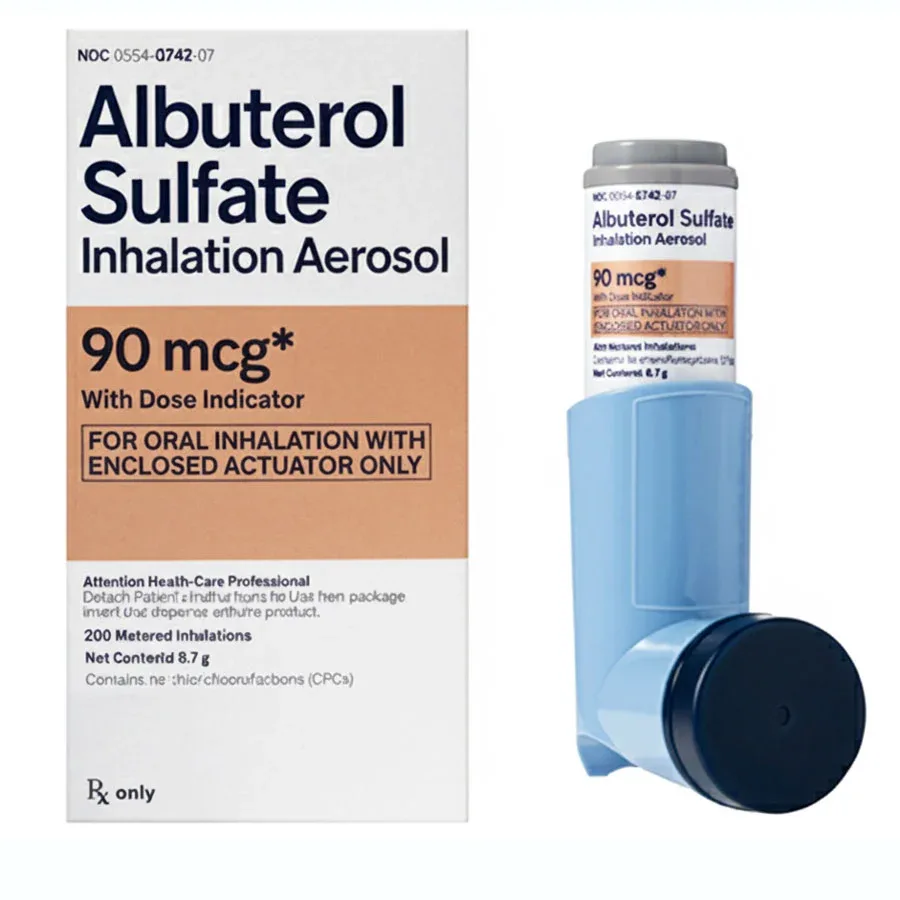
1 images
Active ingredients
Drug class
Short-acting beta-2 adrenergic agonist (SABA) bronchodilator. Standardize the English field labels
StrengthMetered-dose inhalers commonly deliver 90 mcg of albuterol per actuation. Nebulizer solutions are available in concentrations such as 0.083% (2.5 mg/3 mL), 0.5% (2.5 mg/0.5 mL), and other strengths depending on the product. Oral tablets and syrup are avai
Dosage formMetered-dose inhaler, nebulizer solution, oral tablets, and oral syrup.
ManufacturerMultiple pharmaceutical manufacturers, including GSK, Teva Pharmaceuticals, and generic manufacturers. The manufacturer varies by product and country.
Registration numberVaries by manufacturer, formulation, and country. US FDA-approved products have individual applicati
Uses and indications
Albuterol is indicated for the treatment or prevention of bronchospasm in patients with reversible obstructive airway disease, including asthma. Inhaled formulations are used to relieve acute wheezing, chest tightness, shortness of breath, and difficulty breathing caused by bronchospasm. It may also be used to prevent exercise-induced bronchospasm. Albuterol relaxes bronchial smooth muscle and improves airflow through the airways.
Contraindications
Albuterol is contraindicated in patients with a known history of hypersensitivity to albuterol or any component of the specific formulation. Some products may contain additional ingredients that require separate consideration in patients with allergies.
Side effects
Common adverse reactions include tremor, nervousness, headache, dizziness, palpitations, increased heart rate, and muscle cramps. Other possible effects include nausea, throat irritation, cough, and sleep disturbances. Serious adverse reactions may include paradoxical bronchospasm, significant tachycardia, cardiac arrhythmias, chest pain, hypokalemia, hyperglycemia, and hypersensitivity reactions. Excessive use may increase the risk of cardiovascular adverse effects and may indicate poorly controlled asthma.
Precautions
Use caution in patients with cardiovascular disease, hypertension, hyperthyroidism, diabetes mellitus, seizure disorders, or low serum potassium. Monitor heart rate, blood pressure, and potassium levels when clinically indicated, particularly with frequent or high-dose administration. Inhaled albuterol should not replace anti-inflammatory controller treatment for persistent asthma. Increasing use or reduced symptom relief may indicate worsening asthma and requires prompt medical reassessment. Seek emergency care for severe breathing difficulty or symptoms that do not improve after rescue medication.
Dosage
For adults and children aged four years and older using a typical metered-dose inhaler delivering 90 mcg per actuation, the usual dose for acute bronchospasm is two inhalations every four to six hours as needed, according to the specific product label and prescribed treatment plan. For prevention of exercise-induced bronchospasm, two inhalations are commonly taken 15–30 minutes before exercise. Nebulized dosing depends on age, formulation, and clinical severity; a commonly used adult dose is 2.5 mg per nebulization. Pediatric doses must be determined according to age, weight where applicable, and the specific product instructions. Do not exceed the prescribed frequency or dose.
Drug interactions
Beta-blockers, particularly nonselective agents such as propranolol, may reduce albuterol's bronchodilator effect and can provoke bronchospasm. Other sympathomimetic drugs may increase cardiovascular adverse effects. Monoamine oxidase inhibitors and tricyclic antidepressants may potentiate cardiovascular effects. Diuretics that lower potassium and other medications associated with hypokalemia may increase the risk of low potassium, especially with high-dose treatment. Digoxin concentrations may decrease with albuterol use. Patients should inform their healthcare provider about all prescription medications, over-the-counter products, and supplements.
References
DailyMed, US National Library of Medicine; US Food and Drug Administration (FDA); Global Initiative for Asthma (GINA); official albuterol prescribing information.
Important: The information on this page is provided for reference only and is not a substitute for diagnosis, prescribing, or treatment guidance from a doctor or pharmacist.