
Albendazole STELLA 400MG
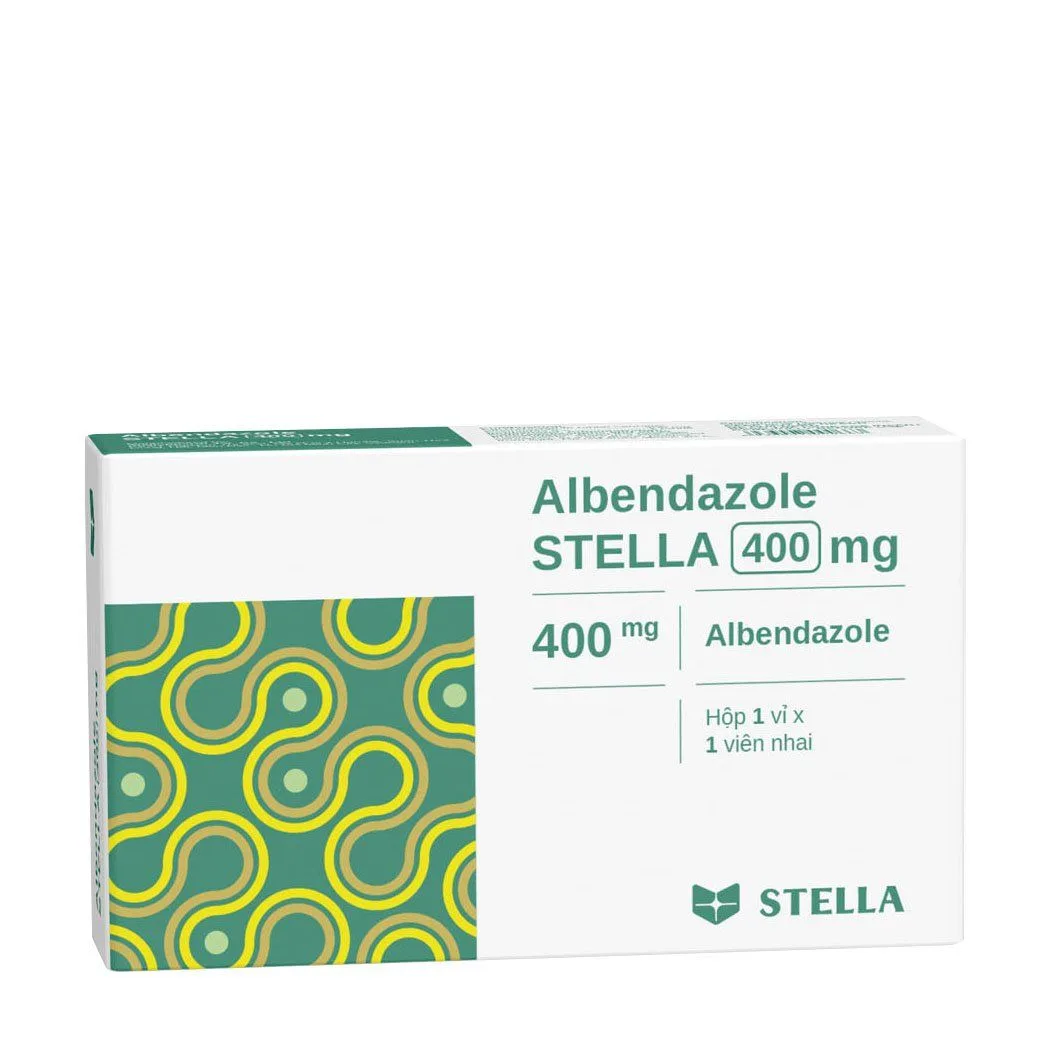
1 images
Active ingredients
Drug class
Anthelmintic (antiparasitic agent).
StrengthCommon strengths include 200 mg tablets, 400 mg tablets, and 400 mg/10 mL oral suspension. Availability varies by manufacturer and country.
Dosage formOral tablets, chewable tablets, and oral suspension.
ManufacturerMultiple pharmaceutical manufacturers, including GlaxoSmithKline and generic manufacturers. The manufacturer depends on the specific product.
Registration numberVaries by manufacturer, formulation, and country. The registration number must be verified against t
Uses and indications
Albendazole is an anthelmintic medication used to treat infections caused by susceptible parasitic worms. Depending on the approved product labeling and clinical setting, it is used for neurocysticercosis caused by the larval form of Taenia solium and cystic hydatid disease caused by Echinococcus granulosus. It is also widely used in clinical practice and public health programs to treat intestinal helminth infections, including ascariasis, hookworm infections, and other susceptible worm infections, according to local guidelines.
Contraindications
Albendazole is contraindicated in patients with known hypersensitivity to albendazole or other benzimidazole derivatives. It should generally be avoided during pregnancy, particularly during the first trimester, unless a specialist determines that treatment is necessary after assessing the risks and benefits. Patients with significant liver disease or bone marrow abnormalities require careful medical evaluation before treatment.
Side effects
Common adverse reactions include abdominal pain, nausea, vomiting, headache, and dizziness. During prolonged treatment, elevated liver enzymes, reversible hair loss, fever, and gastrointestinal symptoms may occur. Serious adverse reactions include hepatitis, liver failure, bone marrow suppression, leukopenia, pancytopenia, and severe hypersensitivity reactions. Patients treated for neurocysticercosis may develop headache, seizures, or increased intracranial pressure due to inflammatory responses following parasite death.
Precautions
Assess liver function and complete blood counts before treatment and periodically during prolonged courses. Monitor for bone marrow suppression, particularly in patients receiving treatment for several weeks or those with pre-existing liver disease. Pregnancy should be excluded before prolonged treatment when appropriate, and effective contraception should be used during treatment and for the period specified in the applicable prescribing information. Patients with neurocysticercosis may require corticosteroids and anticonvulsants to manage inflammatory reactions and seizures. Take albendazole with food when directed by the prescribing information, particularly for systemic parasitic infections. Treatment duration and monitoring depend on the type and severity of infection.
Dosage
Dosage depends on the parasite, infection severity, age, body weight, and treatment guidelines. For many common intestinal worm infections in adults and children aged two years or older, a single 400 mg oral dose is commonly used. For children aged 12–23 months, some public health guidelines recommend a single 200 mg dose for selected soil-transmitted helminth infections. For neurocysticercosis, a commonly used regimen is 15 mg/kg/day in two divided doses, up to 800 mg/day, with treatment duration determined by the treating specialist. For cystic hydatid disease, treatment is generally given in cycles based on body weight and clinical response. These regimens are not interchangeable; follow the specific product labeling and applicable clinical guidelines.
Drug interactions
Dexamethasone, praziquantel, and cimetidine may increase the concentration of albendazole sulfoxide, the active metabolite. Theophylline concentrations may increase during treatment, so monitoring may be appropriate. Other medications affecting liver enzymes may alter albendazole exposure. Review all prescription medications, over-the-counter products, and supplements before treatment.
References
DailyMed, US National Library of Medicine; World Health Organization (WHO), guidelines for preventive chemotherapy against soil-transmitted helminth infections; US Centers for Disease Control and Prevention (CDC), clinical guidance for intestinal helminth infections; official albendazole prescribing information.
Important: The information on this page is provided for reference only and is not a substitute for diagnosis, prescribing, or treatment guidance from a doctor or pharmacist.