
acetazolamide mercury pharma 250mg
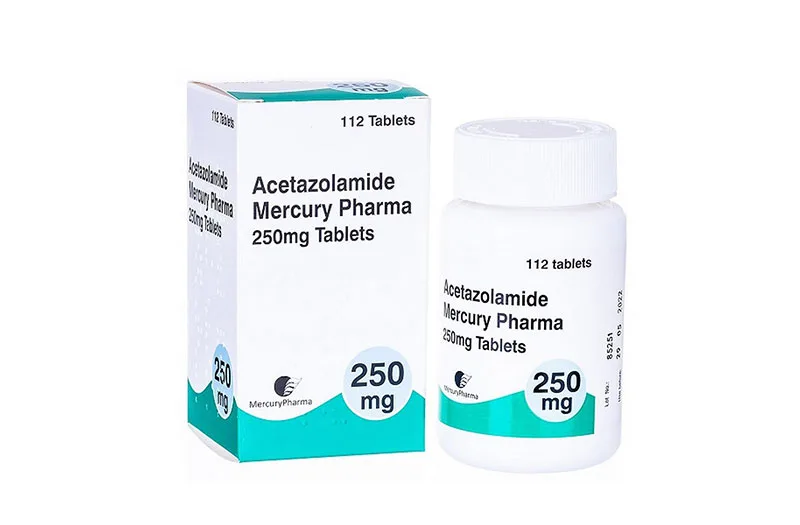
1 images
Active ingredients
Drug class
Carbonic anhydrase inhibitor.
Strength125 mg and 250 mg tablets; 500 mg extended-release capsules. Injectable formulations are also available in certain markets.
Dosage formOral tablets, extended-release capsules, and powder for solution for injection.
ManufacturerMultiple pharmaceutical manufacturers, including Teva Pharmaceuticals, ANI Pharmaceuticals, and other generic manufacturers.
Registration numberVaries by manufacturer, formulation, and country. US FDA-approved products have individual applicati
Uses and indications
Acetazolamide is indicated as an adjunctive treatment for open-angle glaucoma and secondary glaucoma, and for short-term reduction of intraocular pressure in selected cases of acute angle-closure glaucoma before surgery. It is also used to prevent or reduce symptoms of acute mountain sickness, treat edema associated with congestive heart failure or certain medications, and provide adjunctive treatment for specific seizure disorders. It may also be prescribed for idiopathic intracranial hypertension when clinically appropriate.
Contraindications
Acetazolamide is contraindicated in patients with hypersensitivity to acetazolamide or formulation components, significantly decreased serum sodium or potassium, marked kidney or liver dysfunction, adrenal insufficiency, or hyperchloremic acidosis. It is contraindicated in patients with cirrhosis because of the risk of hepatic encephalopathy. Long-term administration is contraindicated in chronic noncongestive angle-closure glaucoma.
Side effects
Common adverse reactions include tingling or numbness in the fingers and toes, increased urination, altered taste, nausea, vomiting, diarrhea, loss of appetite, fatigue, dizziness, and drowsiness. Serious adverse reactions may include electrolyte disturbances, metabolic acidosis, kidney stones, severe allergic reactions, Stevens-Johnson syndrome, toxic epidermal necrolysis, liver injury, and blood disorders such as aplastic anemia or agranulocytosis.
Precautions
Monitor serum electrolytes, bicarbonate levels, kidney function, and complete blood counts when clinically indicated, particularly during prolonged treatment. Use caution in patients with diabetes, respiratory disorders, impaired kidney function, or a history of kidney stones. Acetazolamide may cause dehydration, metabolic acidosis, and potassium loss. Patients with a history of severe sulfonamide reactions require careful assessment. Concomitant use with high-dose aspirin may cause severe toxicity. Seek urgent medical attention for severe skin reactions, breathing difficulty, unusual bruising, or marked weakness.
Dosage
Dosage depends on the indication, formulation, age, kidney function, and clinical response. For glaucoma, adult oral doses commonly range from 250 mg to 1,000 mg daily in divided doses when appropriate. For acute mountain sickness prevention, a commonly used adult regimen is 125 mg twice daily, generally starting the day before ascent and continuing during ascent; dosing may vary according to individual risk and clinical guidance. For edema associated with congestive heart failure, a typical initial dose is 250–375 mg once daily. For seizure disorders, dosage must be individualized according to the treatment regimen and patient response. Injectable and extended-release formulations have separate administration instructions. Use only under medical supervision.
Drug interactions
Concurrent use with high-dose aspirin may cause severe toxicity, including metabolic acidosis and neurological complications. Other diuretics may increase the risk of electrolyte disturbances and dehydration. Sodium bicarbonate may increase the risk of kidney stone formation. Acetazolamide may alter lithium concentrations and interact with certain antiseizure medications, antidiabetic drugs, and medications eliminated through renal tubular secretion. It may also interfere with certain laboratory tests. Review all prescription medications, over-the-counter products, and supplements before treatment.
References
DailyMed, US National Library of Medicine; US Food and Drug Administration (FDA); Centers for Disease Control and Prevention (CDC), Yellow Book; official acetazolamide prescribing information.
Important: The information on this page is provided for reference only and is not a substitute for diagnosis, prescribing, or treatment guidance from a doctor or pharmacist.