Abiraterone
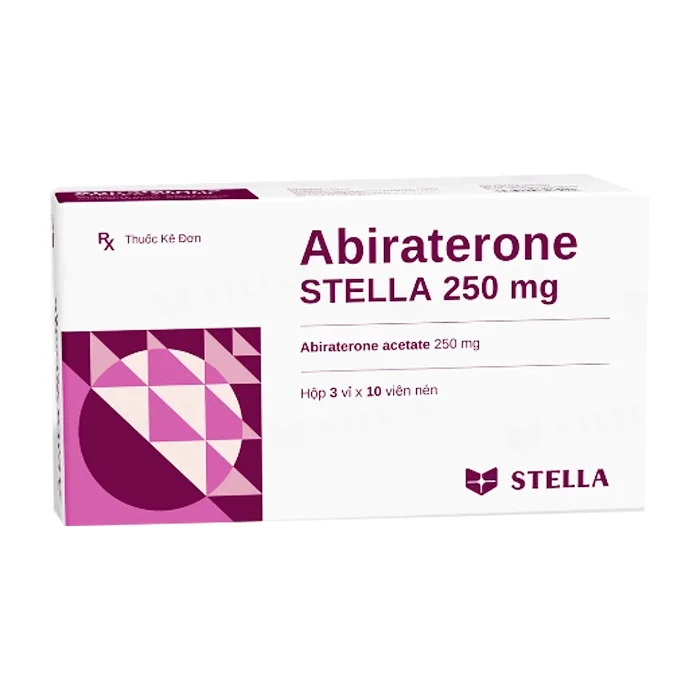
1 images
Active ingredients
Drug class
Androgen biosynthesis inhibitor (CYP17 inhibitor).
Strength250 mg and 500 mg of abiraterone acetate per tablet. Available strengths may vary by manufacturer and formulation.
Dosage formOral tablets, including uncoated and film-coated tablets.
ManufacturerMultiple pharmaceutical manufacturers, including Janssen Biotech, Inc. (original brand Zytiga), Dr. Reddy's Laboratories, and other generic manufacturers.
Registration numberUS FDA NDA No. 202379 for the original brand Zytiga. Generic abiraterone acetate products have separ
Uses and indications
Abiraterone acetate is indicated in combination with prednisone for the treatment of metastatic prostate cancer in adult men. It is approved for metastatic castration-resistant prostate cancer (mCRPC), a condition in which prostate cancer continues to progress despite testosterone suppression. It is also indicated for metastatic high-risk castration-sensitive prostate cancer (mCSPC), where cancer remains responsive to androgen deprivation therapy. Abiraterone works by inhibiting CYP17, an enzyme involved in androgen biosynthesis, thereby reducing testosterone production in the testes, adrenal glands, and prostate tumor tissue. Treatment is generally combined with ongoing androgen deprivation therapy or previous bilateral orchiectomy.
Contraindications
The US prescribing information for standard abiraterone acetate tablets lists no formal contraindications. However, treatment should not be initiated in patients with severe baseline hepatic impairment (Child-Pugh Class C). Patients with known hypersensitivity to abiraterone acetate or formulation components require careful assessment. Abiraterone is not indicated for use in women and may cause fetal harm if exposure occurs during pregnancy.
Side effects
Common adverse reactions include fatigue, joint pain, muscle discomfort, hypertension, peripheral edema, hot flashes, nausea, vomiting, diarrhea, constipation, headache, cough, and upper respiratory tract infections. Laboratory abnormalities may include hypokalemia, elevated liver enzymes, hyperglycemia, hypertriglyceridemia, and changes in blood cell counts. Serious adverse reactions include severe hypertension, significant hypokalemia, fluid retention, cardiac arrhythmias, heart failure, adrenal insufficiency, and potentially life-threatening hepatotoxicity. Rare cases of acute liver failure and severe hypoglycemia have been reported. The risk of fractures and mortality may increase when abiraterone is combined with radium Ra 223 dichloride.
Precautions
Monitor blood pressure, serum potassium, and signs of fluid retention at least monthly during treatment. Correct hypertension and hypokalemia before initiating therapy. Assess liver function before treatment, every two weeks during the first three months, and monthly thereafter, or more frequently when clinically indicated. Use caution in patients with cardiovascular disease, heart failure, recent myocardial infarction, ventricular arrhythmias, or significant hepatic impairment. Monitor for adrenal insufficiency, particularly during infection, surgery, corticosteroid withdrawal, or other physiological stress. Patients with diabetes should monitor blood glucose carefully because severe hypoglycemia may occur, especially when using certain antidiabetic medications. Avoid combining abiraterone with radium Ra 223 dichloride due to increased risks of fractures and death. Men with female partners of reproductive potential should use effective contraception during treatment and for three weeks after the final dose.
Dosage
For metastatic castration-resistant prostate cancer, the recommended dose of standard abiraterone acetate tablets is 1,000 mg orally once daily, combined with prednisone 5 mg orally twice daily. For metastatic high-risk castration-sensitive prostate cancer, the recommended dose is 1,000 mg orally once daily, combined with prednisone 5 mg orally once daily. Patients should continue treatment with a gonadotropin-releasing hormone (GnRH) analog unless they have undergone bilateral orchiectomy. Standard abiraterone acetate tablets must be taken on an empty stomach, with no food consumed for at least two hours before and one hour after administration. Swallow tablets whole with water without crushing or chewing. For patients with moderate baseline hepatic impairment (Child-Pugh Class B), the recommended starting dose is reduced to 250 mg once daily. Treatment should be interrupted or adjusted if significant liver toxicity develops. Abiraterone formulations are not necessarily interchangeable, and dosage instructions must follow the specific product label.
Drug interactions
Strong CYP3A4 inducers, such as rifampin, carbamazepine, phenytoin, and phenobarbital, may reduce abiraterone exposure and therapeutic effectiveness. Avoid concurrent use when possible. Abiraterone inhibits CYP2D6 and may increase concentrations of medications metabolized by this enzyme, including certain antidepressants, antipsychotics, and beta-blockers. Dose adjustments may be necessary for CYP2D6 substrates with a narrow therapeutic index. Abiraterone may also increase exposure to CYP2C8 substrates, such as pioglitazone and repaglinide, potentially increasing the risk of hypoglycemia. Concurrent use with medications that lower potassium levels, including certain diuretics, may increase the risk of hypokalemia and cardiac complications. Combining abiraterone with radium Ra 223 dichloride is not recommended because of increased fracture risk and mortality. Patients should inform their healthcare provider about all prescription medications, over-the-counter products, and supplements before starting treatment.
References
DailyMed, US National Library of Medicine, Abiraterone Acetate Tablets Prescribing Information; US Food and Drug Administration (FDA), Zytiga Official Prescribing Information; Janssen Biotech, Inc., Zytiga Product Information; National Cancer Institute (NCI), Abiraterone Acetate Drug Information.
Important: The information on this page is provided for reference only and is not a substitute for diagnosis, prescribing, or treatment guidance from a doctor or pharmacist.