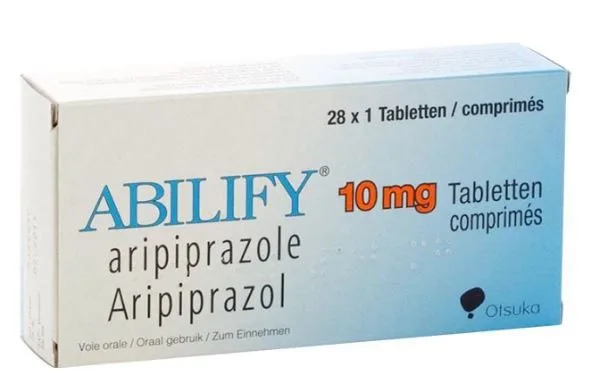
Abilify
1 images
Strength2 mg, 5 mg, 10 mg, 15 mg, 20 mg, and 30 mg.
Dosage formOral tablets.
ManufacturerOtsuka America Pharmaceutical, Inc.
Registration numberUS FDA New Drug Application (NDA) No. 021436.
Uses and indications
Abilify is indicated for the treatment of schizophrenia, acute manic and mixed episodes associated with bipolar I disorder, and as an adjunctive treatment for major depressive disorder in adults who have an inadequate response to antidepressant therapy. It is also indicated for irritability associated with autistic disorder and Tourette's disorder in appropriate pediatric patients. Approved indications and age restrictions vary by formulation and country.
Contraindications
Abilify is contraindicated in patients with a known hypersensitivity to aripiprazole or any component of the formulation. Hypersensitivity reactions may include anaphylaxis, pruritus, and urticaria.
Side effects
Common adverse reactions include akathisia, restlessness, insomnia, anxiety, nausea, vomiting, constipation, headache, dizziness, and somnolence. Other clinically significant adverse effects include orthostatic hypotension, weight gain, metabolic changes, extrapyramidal symptoms, tardive dyskinesia, neuroleptic malignant syndrome, seizures, and compulsive behaviors such as pathological gambling. Antidepressant-associated suicidal thoughts and behaviors may occur, particularly in children, adolescents, and young adults. Elderly patients with dementia-related psychosis have an increased risk of death when treated with antipsychotic medications.
Precautions
Use caution in patients with cardiovascular disease, a history of seizures, diabetes mellitus, metabolic disorders, or a predisposition to hypotension. Monitor weight, blood glucose, lipid levels, and abnormal involuntary movements as clinically indicated. Patients should be monitored for worsening psychiatric symptoms, suicidal thoughts, neuroleptic malignant syndrome, and tardive dyskinesia. Abilify may impair judgment, thinking, or motor skills. Alcohol and other central nervous system depressants may increase impairment. Aripiprazole is not approved for the treatment of dementia-related psychosis in elderly patients. Monitor for new or worsening compulsive behaviors.
Dosage
Dosage depends on the indication, age, clinical response, concomitant medications, and individual tolerability. For adult schizophrenia, the recommended starting and target dose is generally 10–15 mg once daily, with a maximum of 30 mg/day. For acute manic or mixed episodes associated with bipolar I disorder, the usual adult target dose is 15 mg once daily as monotherapy or as adjunctive therapy with lithium or valproate; the dose may be increased to 30 mg/day according to clinical response. For adjunctive treatment of major depressive disorder, the recommended starting dose is 2–5 mg once daily, with adjustments based on response and tolerability. Pediatric dosing varies by indication and body weight. Dose adjustments may be necessary with CYP2D6 or CYP3A4 inhibitors or inducers and in known CYP2D6 poor metabolizers. Abilify should be taken exactly as prescribed by a qualified healthcare professional.
Drug interactions
Strong CYP2D6 inhibitors, such as fluoxetine and paroxetine, and strong CYP3A4 inhibitors, such as ketoconazole, may increase aripiprazole exposure and generally require dosage reduction. Strong CYP3A4 inducers, such as carbamazepine, may decrease aripiprazole exposure and may require dosage adjustment. Use caution when combining Abilify with antihypertensive agents, alcohol, sedatives, or other medications that affect the central nervous system. The risk of adverse effects may increase when used with other drugs that cause orthostatic hypotension or impair motor and cognitive function.
References
DailyMed, US National Library of Medicine; US Food and Drug Administration (FDA); Otsuka America Pharmaceutical, Inc., official Abilify prescribing information.
Important: The information on this page is provided for reference only and is not a substitute for diagnosis, prescribing, or treatment guidance from a doctor or pharmacist.